Menu
Eco building as a sustainable and future-proof solution
The construction sector is facing a major transition. Climate change, stricter laws and regulations, and a growing sense of social responsibility make it clear that traditional construction methods are no longer sufficient. Eco building offers a future-proof alternative. It is an integrated building philosophy in which sustainability, health, circularity, and economic value come together.
Eco building focuses not only on reducing environmental damage, but also on creating healthy buildings with a long lifespan and demonstrable value. At Zwarthout | Shou Sugi Ban, we consider this extremely important, which is why our traditional wood technique, Shou Sugi Ban, fits perfectly within this sustainable building philosophy.
What is the difference between eco building and traditional construction?
Eco building focuses on the entire life cycle of a building, from design to reuse. It involves the use of sustainable, renewable materials and places strong emphasis on energy efficiency, health, and minimal environmental impact. Traditional construction often takes these factors into account to a lesser extent, resulting in a greater environmental footprint and a less stable long-term value of the building.
Is Shou Sugi Ban low-maintenance?
Yes. Thanks to its charred surface, Shou Sugi Ban is naturally resistant to moisture, insects, mould, and UV radiation. This gives the wood a long lifespan and eliminates the need for periodic treatments, resulting in low maintenance costs.
What type of wood is used for eco building with Shou Sugi Ban?
At Zwarthout | Shou Sugi Ban, we exclusively use FSC-certified wood sourced from sustainably managed forests. The choice of wood depends on the desired appearance, application, and technical building requirements. Each wood species is carefully selected for quality and durability. Read more about suitable wood species for Shou Sugi Ban here.
What applications is eco building with Shou Sugi Ban suitable for?
Shou Sugi Ban is ideal for facade cladding and exterior walls. It is also used in landscape and garden architecture, interior design, and even furniture design. The technique offers both functional and aesthetic advantages.

How eco building works
Eco building is a way of building in which the entire life cycle of a building is central—from raw material extraction and design to use, reuse, and possible dismantling. The goal is to minimize ecological impact while maximizing comfort, health, and value.
Minimal ecological impact
A key principle of eco building is limiting environmental impact. This is achieved by using natural and renewable materials, reducing CO₂ emissions, and minimizing waste streams. These principles align directly with sustainability certifications such as BREEAM, in which material selection, environmental performance, and lifespan play a major role in the assessment of buildings.
Efficient energy use
Eco building places a strong emphasis on energy efficiency. Through passive building principles, high-quality insulation, and smart building orientation, energy consumption can be significantly reduced. Combined with renewable energy sources, this leads to lower energy demand and better scores within BREEAM certifications. An energy-efficient building is not only environmentally friendly, but also increases economic value and long-term returns.
Healthy indoor environment (WELL)
In addition to sustainability, health is a core value within eco-building. Materials without harmful emissions, good ventilation, and abundant daylight contribute to the well-being of users. These aspects form the basis of the WELL Building Standard, which focuses on health, comfort, and productivity. Eco-building and WELL reinforce each other: a healthy building is demonstrably more pleasant to live and work in and also increases the social value of real estate.
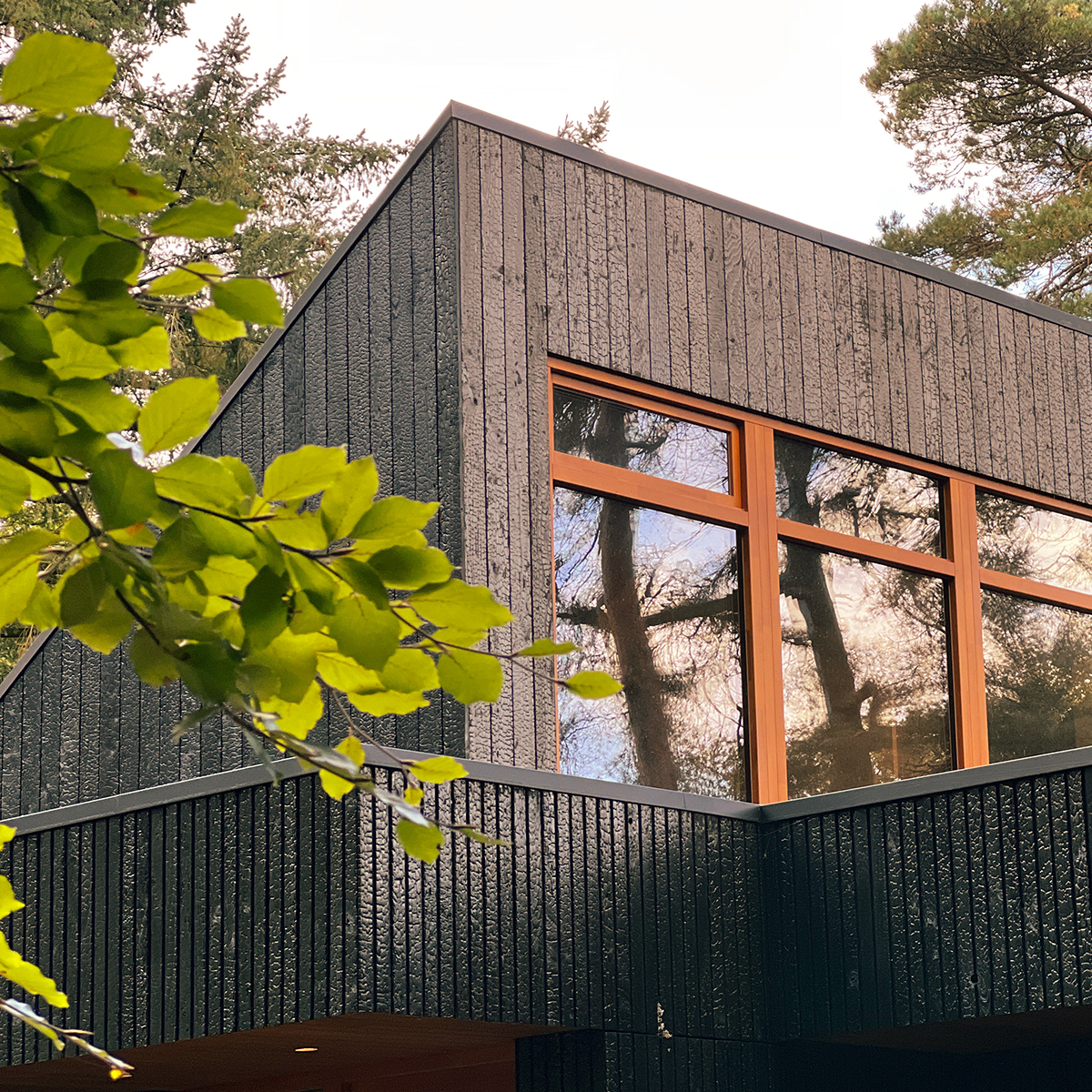
Zwarthout | Shou Sugi Ban offers a timeless wood technique with sustainable strength
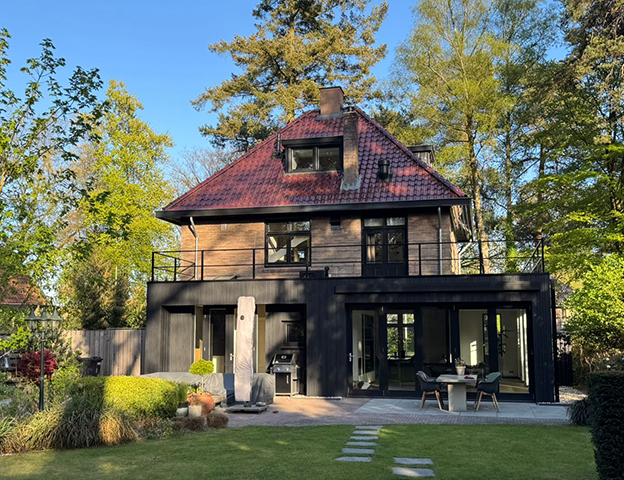
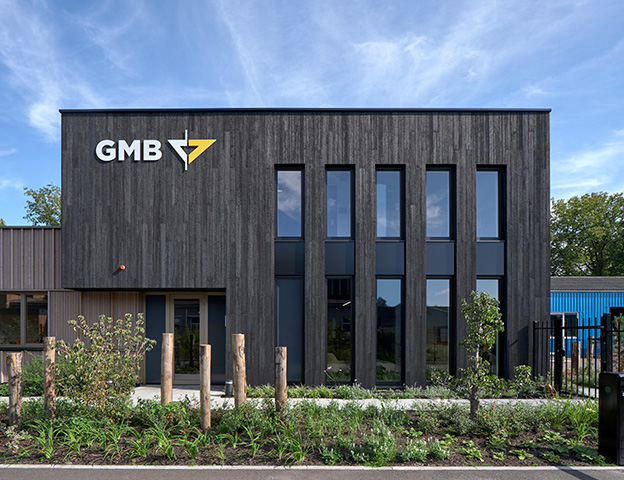
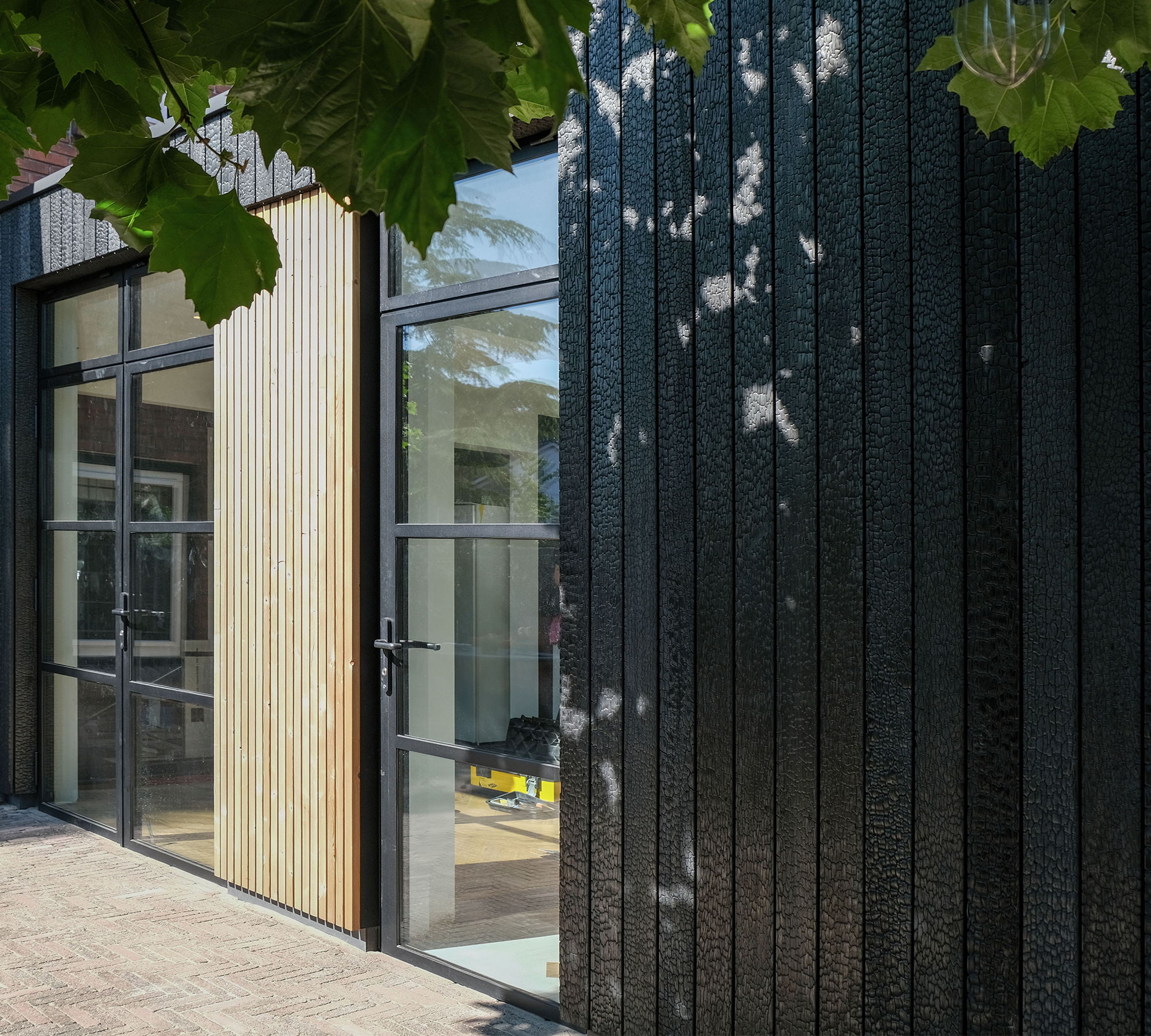
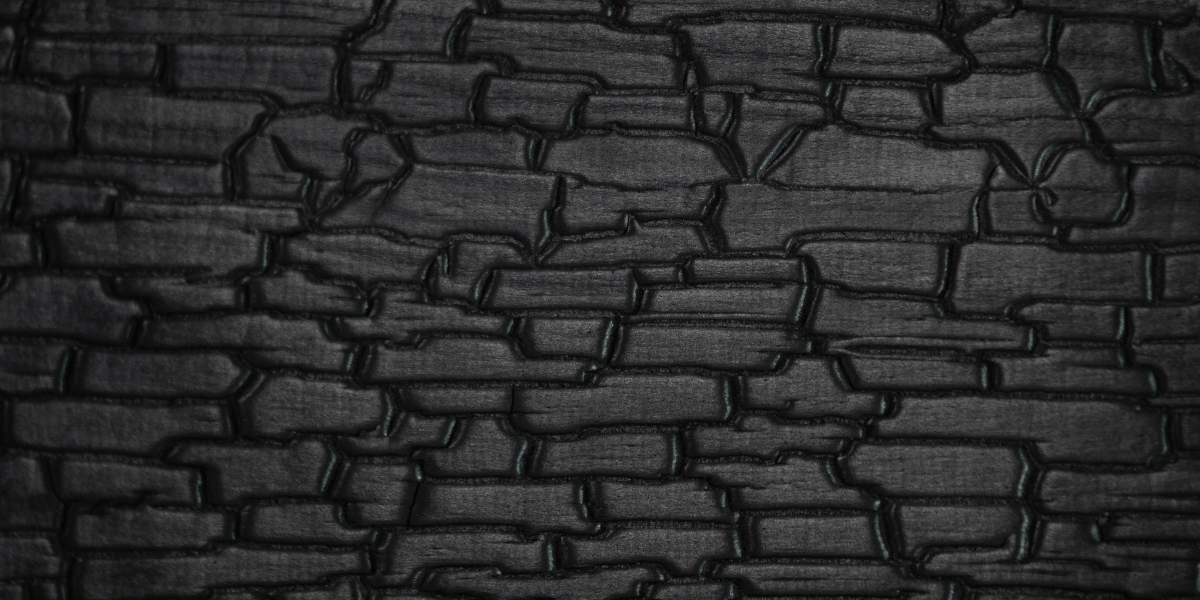
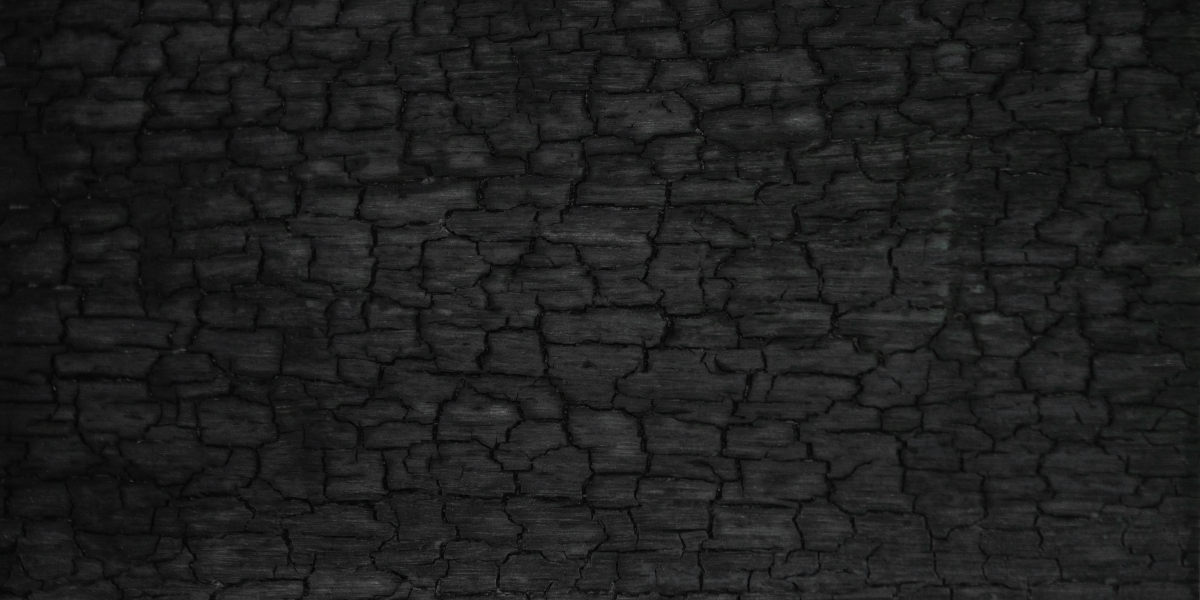
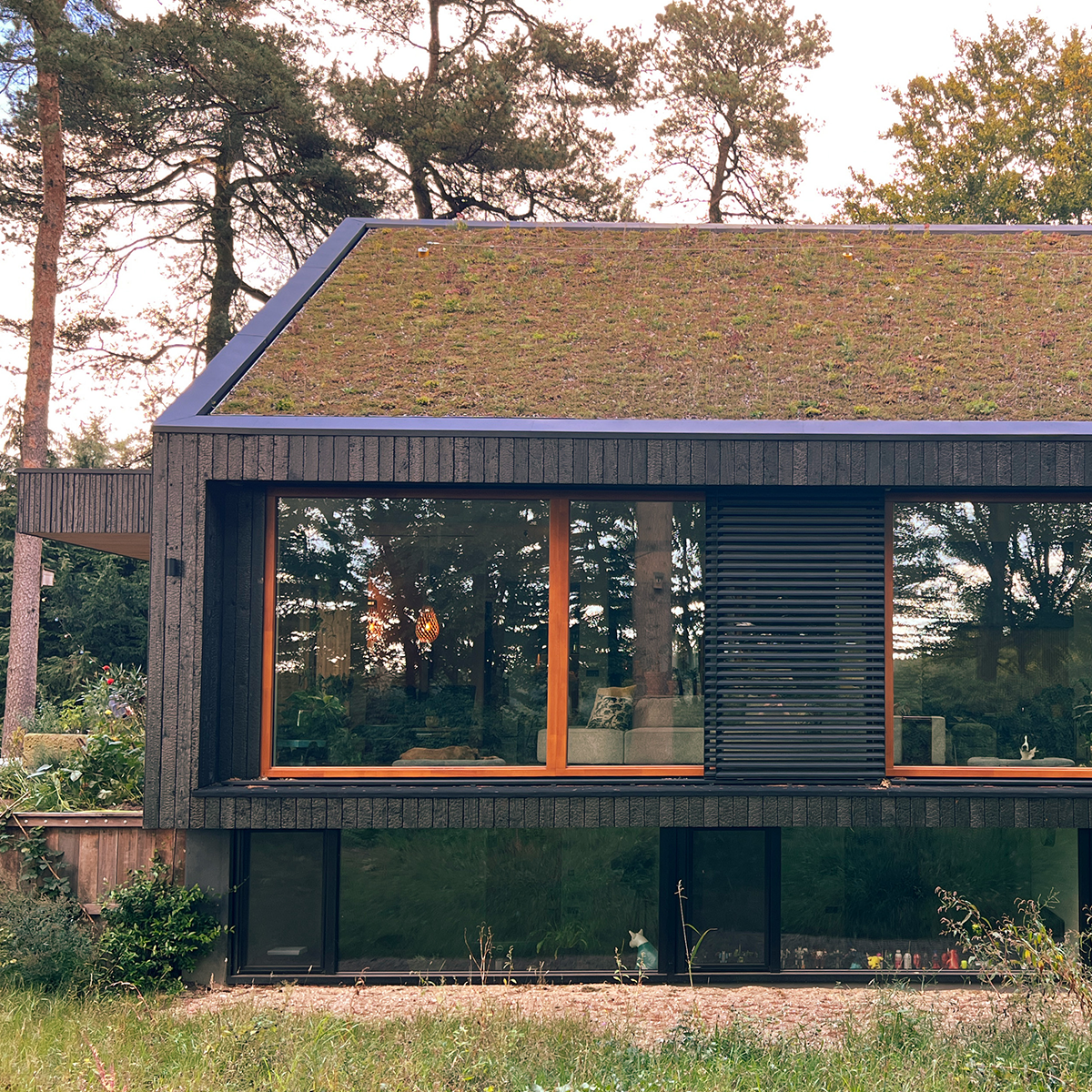
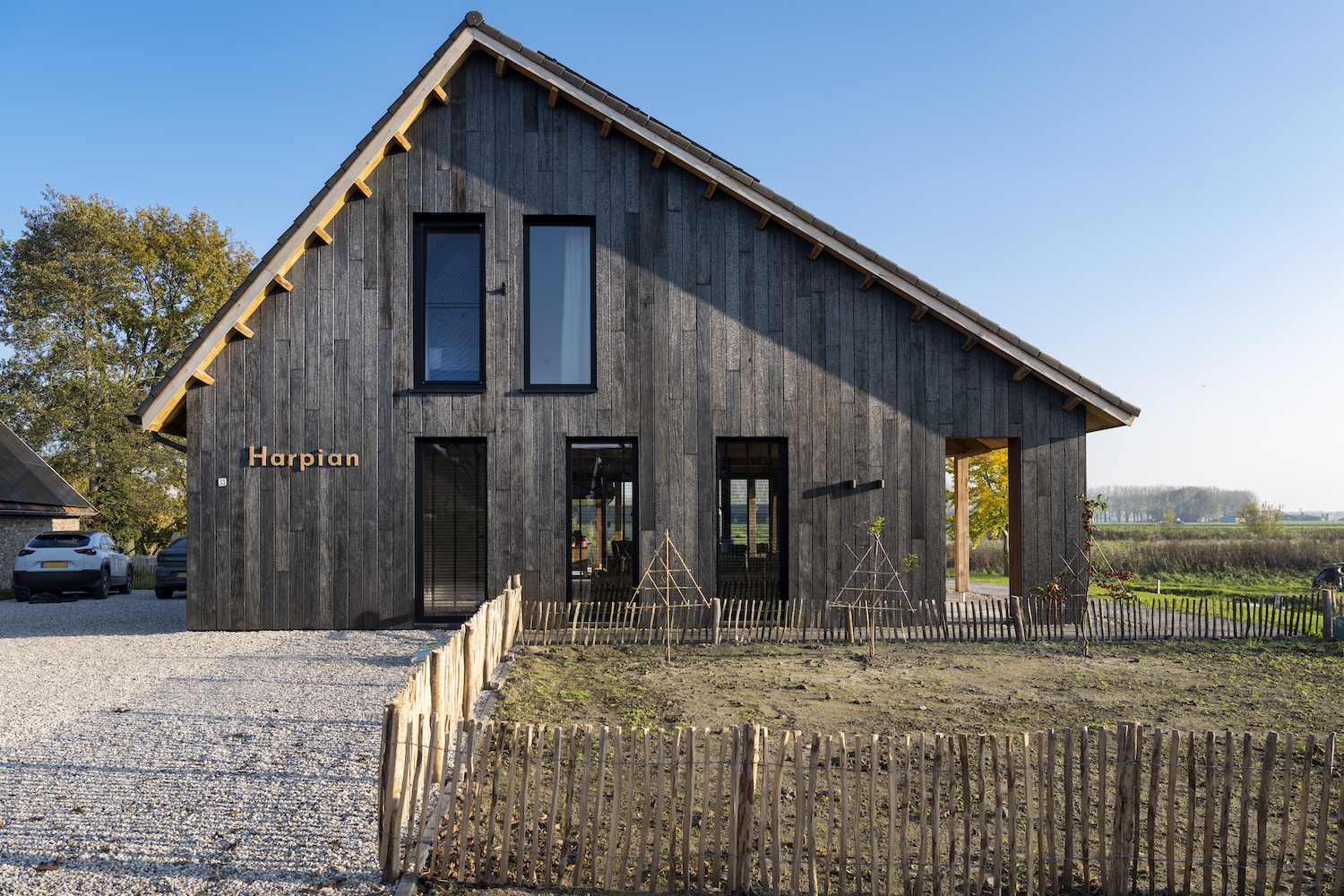
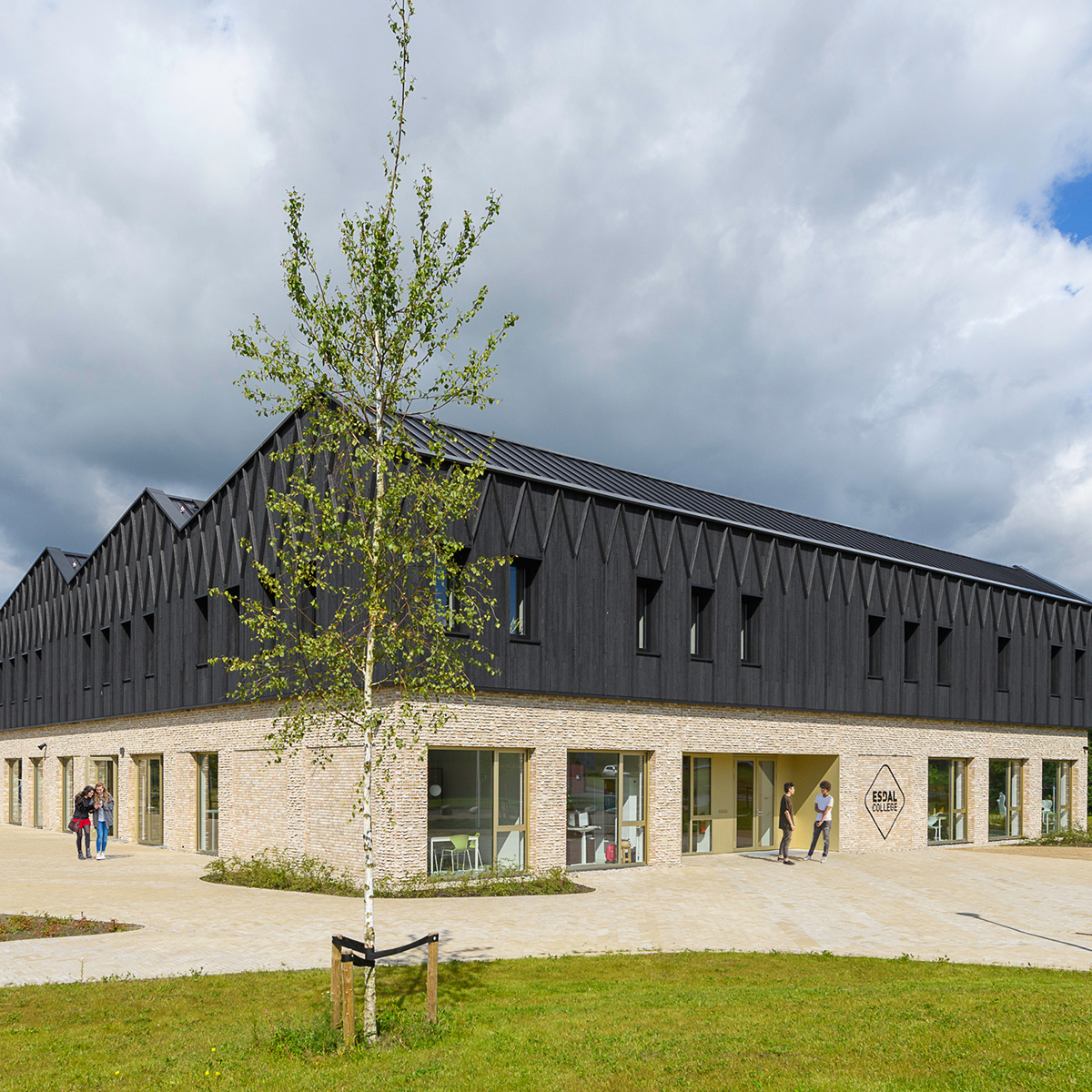
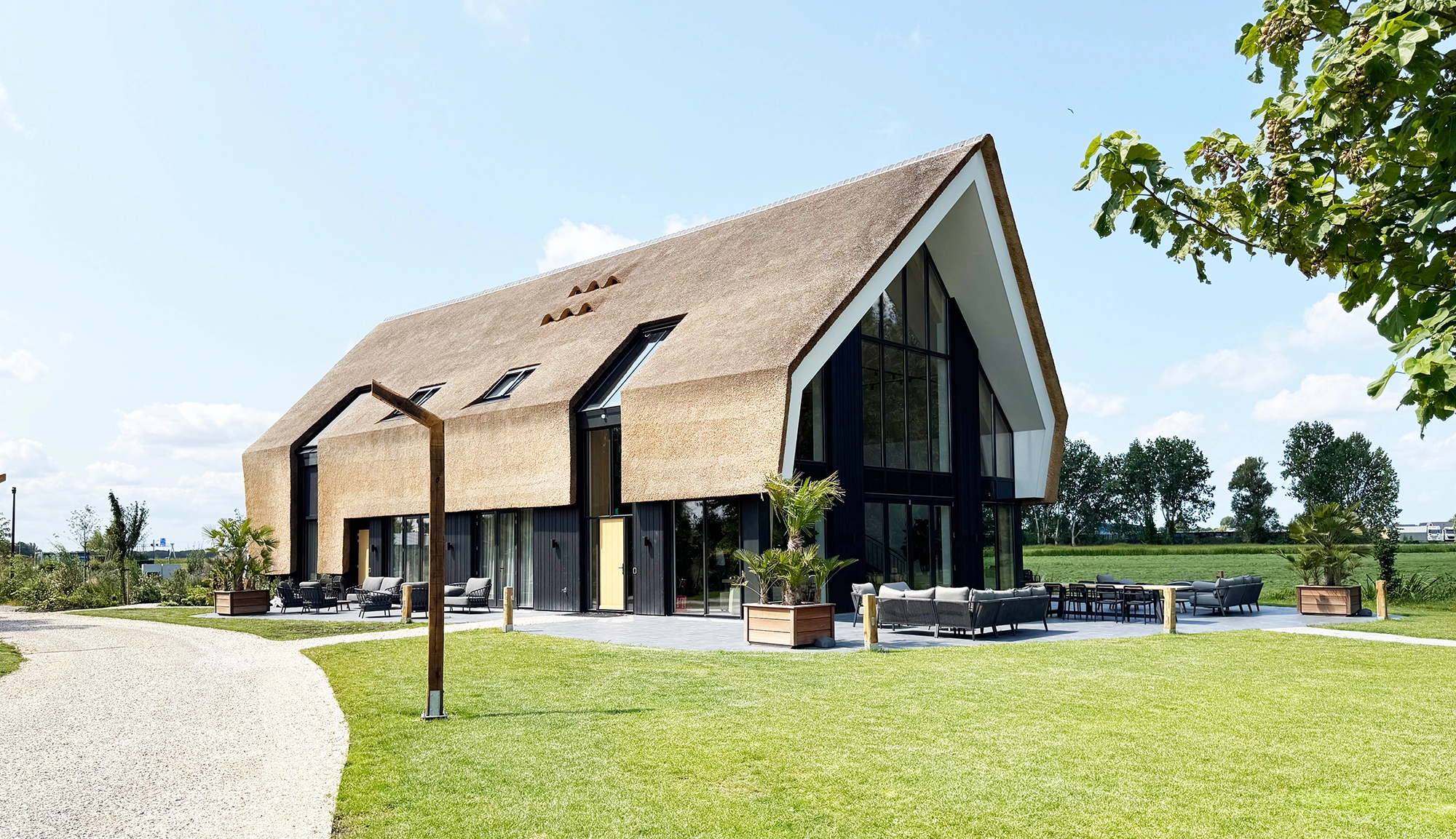
Shou Sugi Ban, also known as Yakisugi, is a traditional Japanese technique in which wood is carefully charred. By carbonizing the surface, a natural protective layer is created. This not only gives the wood a distinctive appearance, but also exceptional durability without the use of chemical agents. Moreover, this protective layer is low-maintenance, UV-resistant, and retains its aesthetic quality over time. At Zwarthout | Shou Sugi Ban, we have already completed numerous projects in which this traditional charring technique is beautifully showcased.
Why Shou Sugi Ban fits perfectly within eco building
Natural durability without chemicals
Within eco building, the use of chemical wood preservatives is avoided as much as possible. Shou Sugi Ban aligns seamlessly with this approach. Protection is achieved solely through fire, making the wood resistant to fungi, insects, and weather influences without the use of lacquers, stains, or toxic coatings.
This is not only beneficial for the environment, but also contributes to a healthy indoor and outdoor climate, which is relevant for WELL certification and emission requirements within BREEAM.
Extended lifespan and improved investment value (IRR)
Sustainable buildings are increasingly assessed based on their financial performance over their entire lifespan. Materials with a long service life reduce maintenance and replacement costs, which has a positive effect on the IRR (Internal Rate of Return) of real estate projects.
We ensure that Shou Sugi Ban wood is applied correctly, allowing it to last significantly longer than untreated wood. Reduced maintenance and a lower Total Cost of Ownership make this material attractive to investors, developers, and clients who focus on both sustainability and returns.
Sustainable wood use and FSC certification
A crucial component of eco building is responsible forest management. Shou Sugi Ban is applied to wood sourced from sustainably managed forests. FSC-certified wood guarantees that biodiversity is preserved, forests can regenerate, and timber harvesting remains in balance with natural growth.
Zwarthout | Shou Sugi Ban works exclusively with wood that has validated certifications. This aligns perfectly with the material criteria within BREEAM and with broader sustainability goals related to responsible resource use.
Shou Sugi Ban within circular construction and ESG objectives
Eco building is inseparably linked to circular construction. Shou Sugi Ban wood is ideal as circular façade cladding and is easy to dismantle, reuse, and recycle. Because no chemical treatments are applied, the material remains biodegradable at the end of its lifespan.
These characteristics make Shou Sugi Ban particularly relevant within ESG criteria (Environmental, Social & Governance). The material scores highly in environmental performance, contributes to healthy living environments (social), and supports transparent and responsible material use (governance).
Eco building with Zwarthout | Shou Sugi Ban
Eco building is more than just environmentally friendly construction. It is a strategic choice that brings together sustainability, health, and economic value. By using natural materials such as Shou Sugi Ban and FSC-certified wood, and by building according to principles aligned with BREEAM, WELL, and ESG, real estate is created that is future-proof and remains financially attractive.
Shou Sugi Ban proves that traditional techniques and modern sustainability goals can reinforce one another. The result is a building solution that is not only aesthetically powerful, but also contributes to a higher IRR, lower environmental impact, and a healthier living environment for current and future generations.
FAQ
Latest reviews
The “Paradox.” Burning wood to protect it.
It sounds contradictory — but it’s brilliant.
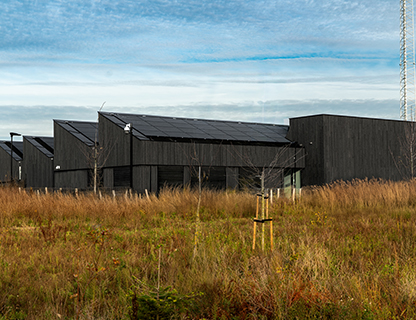
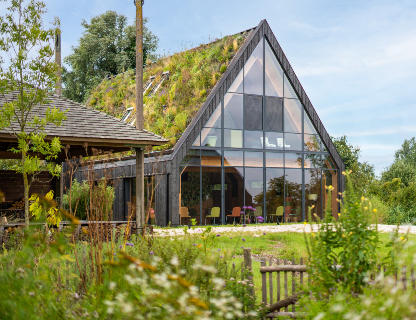
At ORGA, we’re big fans of biobased materials that truly prove their worth. Take our collaboration with Zwarthout | Shou Sugi Ban, for example. By charring wood using the centuries-old Shou Sugi Ban technique, a natural protective layer is created — without the need for paint or chemicals.
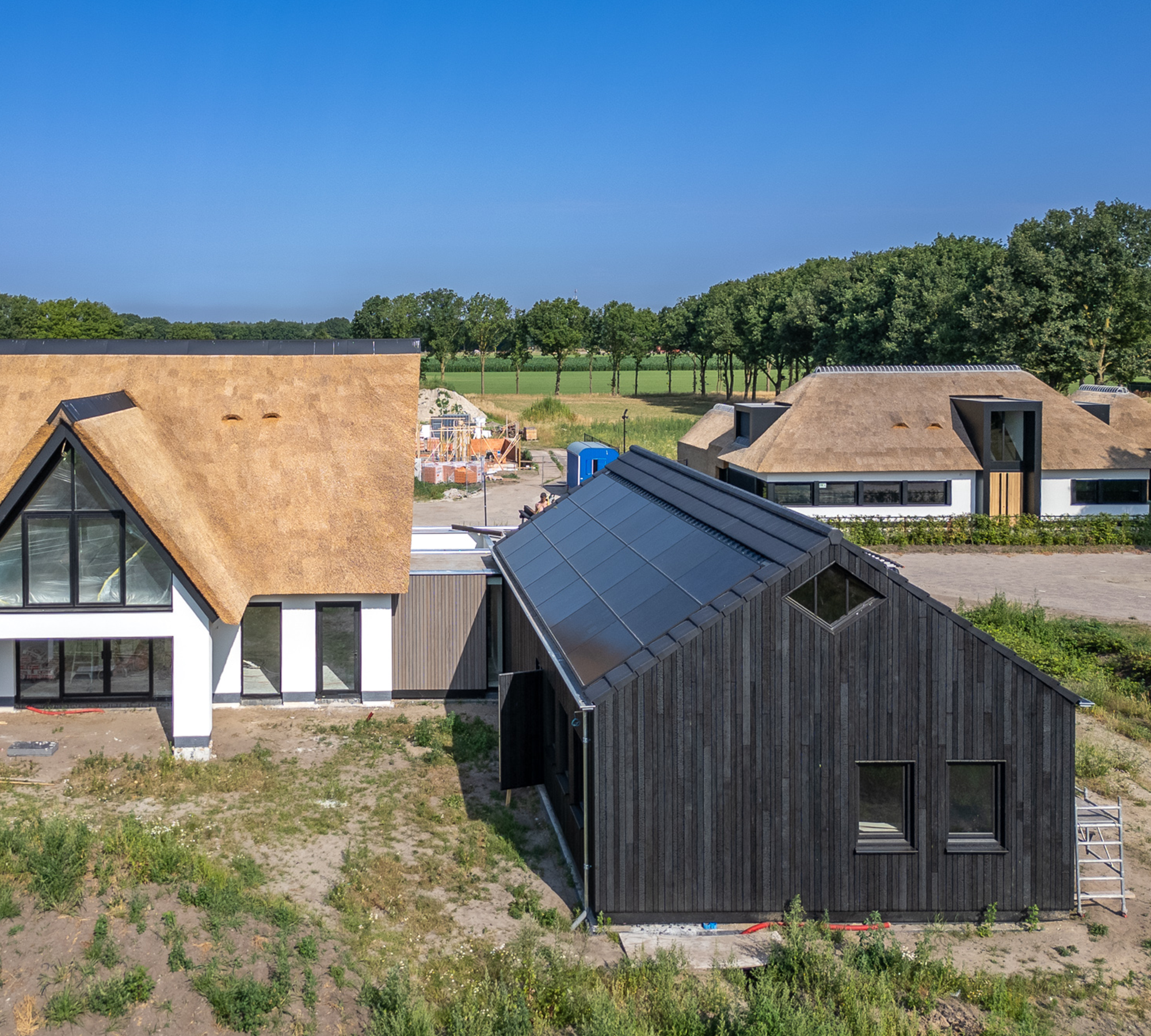
The result is a façade with character, built to last for generations. In the three recent projects, we’ve seen how it creates a robust, timeless appearance, while simultaneously contributing to refined, high-quality architecture.
Less maintenance, and a building that only becomes more beautiful with age.
That, to us, is what truly future-proof design looks like.
“We recently replaced the potted decked timber on our farmhouse in the Beemster region with Shodoshima semi-gloss from Zwarthout l Shou Sugi Ban. With special planks 25 cm wide, it looks great on a farmhouse. A very beautiful product and great service from Zwarthout l Shou Sugi Ban!”
”We chose Yoroi for several reasons. First of all, we like the Japanese classical technique used for burning the bamboo. Due to the burning technique Shou Sugi Ban, Yoroi has a fire class B and is maintenance-free. Finally, the black charred bamboo is a regrowable material and aesthetically matches our design perfectly.”
”As a gardener, it is an honour to work with such beautiful traditional products.
The delivery times are also great and you get friendly service.”