Menu
Black burned wood
Are you looking for an original cladding for a home or business premises? Then we offer you our products made with a Japanese technique, a sustainable and unique material. As the first European manufacturer, we decided to burn wood, as has been done in Japan for centuries. The wood we choose and the Shou Sugi ban burning technique we use determine the end result.
Zwarthout | Shou Sugi Ban supplies this unique and sustainable building material to construction companies and architects, as well as to private customers.
Does the carbon layer always stay the same?
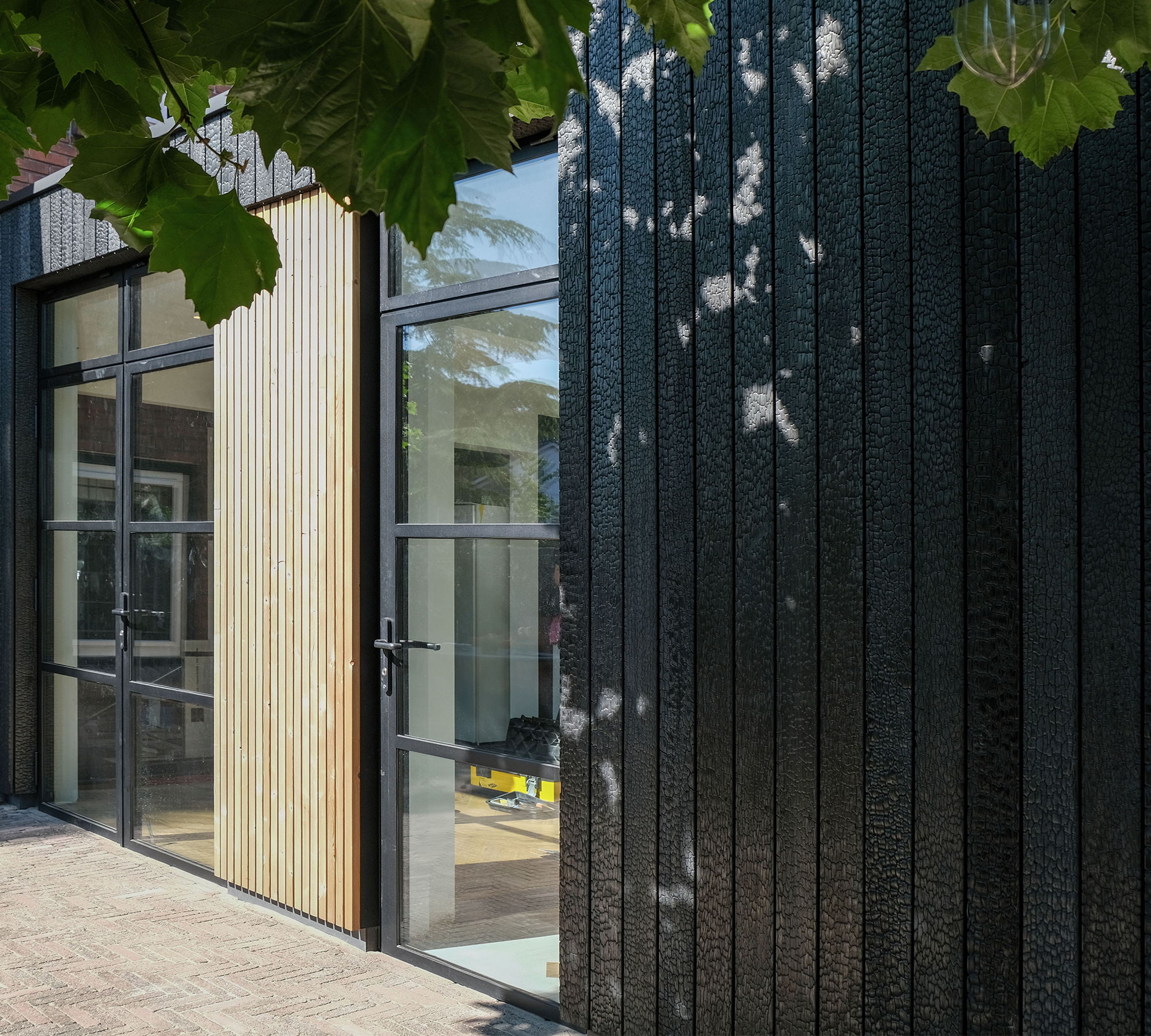
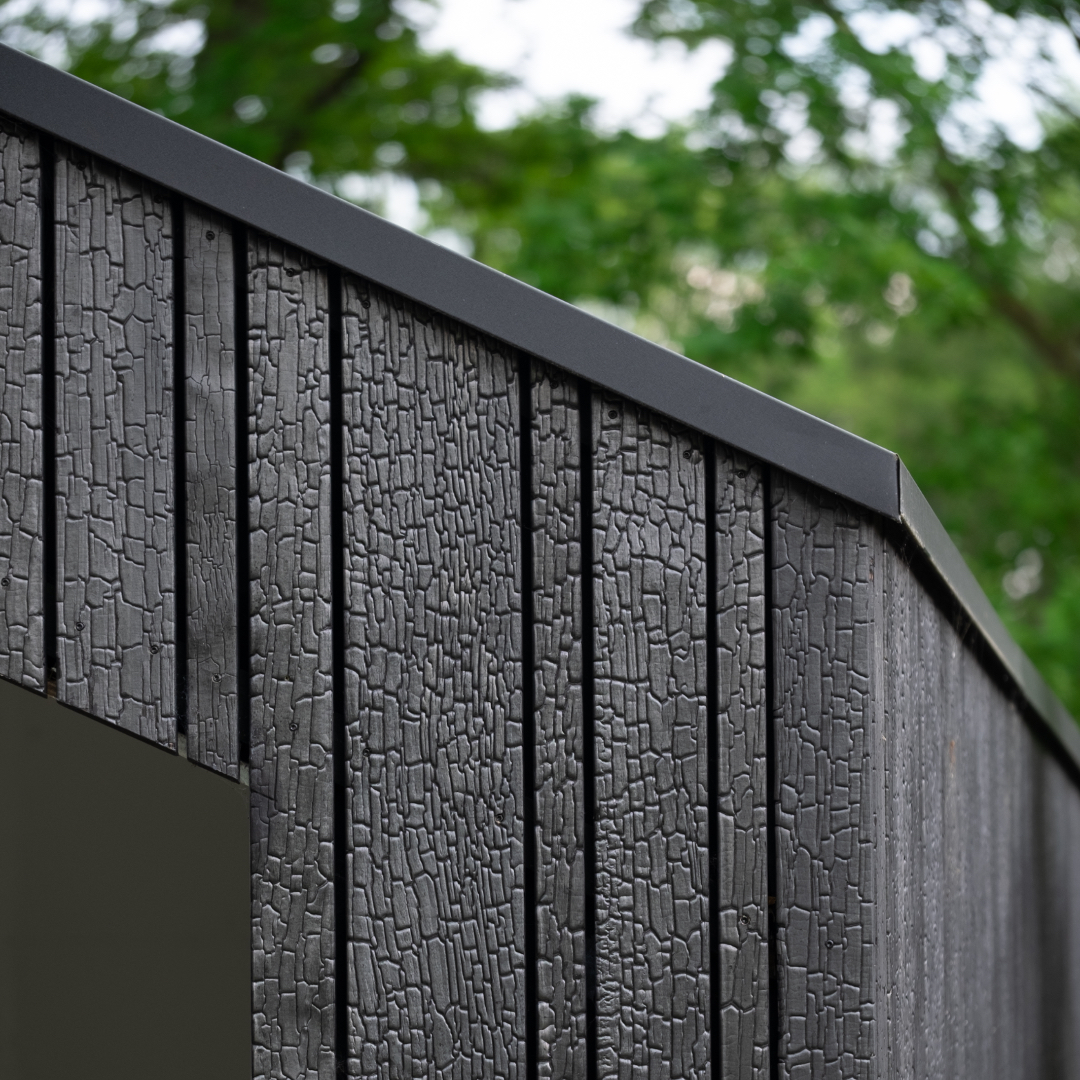
This depends on the type, but in principle the carbon layer of our burnt wood weathers under the influence of wind, rain and hail. The lifespan of the carbon layer depends on the orientation of the facade and the location of the building. The black carbon layer of our burnt wood ages over the years and then acquires a beautiful patina (weathering), such as a light sheen, or a craquelé surface, for example. The natural aging and weathering over time does not detract from the visual appeal, on the contrary, it contributes to it! This fits within the Japanese philosophy of life of Wabi Sabi.
On the product data sheets of our products (downloadable on the product page), you can see how the wood ages.
In the non-fixed variants of our charred wood, the carbon layer remains vulnerable. Small pieces can break off on impact.
How long does the wood last?
The service life of the wood depends on the durability class of the wood species and the detailing of the building. Our wood species have a durability class 1, 2 or 3.
Durability class 1: 25 years and more
Durability class 2: 15 to 25 years
Durability class 3: 10 to 15 years
The carbon layer of the burnt wood weathers outdoors in the long run under the influence of wind, rain and hail. The lifespan of the carbon layer depends on the orientation of the facade and the location of the building.
Please contact us for more information.
When used indoors, the wood lasts as long as untreated wood, i.e. many decades. Moreover, this wood is fixed, making it less vulnerable.
Does the carbon layer always stay the same?
This depends on the type, but in principle the carbon layer of our burnt wood weathers under the influence of wind, rain and hail. The lifespan of the carbon layer depends on the orientation of the facade and the location of the building. The black carbon layer of our burnt wood ages over the years and then acquires a beautiful patina (weathering), such as a light sheen, or a craquelé surface, for example. The natural aging and weathering over time does not detract from the visual appeal, on the contrary, it contributes to it! This fits within the Japanese philosophy of life of Wabi Sabi.
On the product data sheets of our products (downloadable on the product page), you can see how the wood ages.
In the non-fixed variants of our charred wood, the carbon layer remains vulnerable. Small pieces can break off on impact.
How long does the wood last?
The service life of the wood depends on the durability class of the wood species and the detailing of the building. Our wood species have a durability class 1, 2 or 3.
Durability class 1: 25 years and more
Durability class 2: 15 to 25 years
Durability class 3: 10 to 15 years
The carbon layer of the burnt wood weathers outdoors in the long run under the influence of wind, rain and hail. The lifespan of the carbon layer depends on the orientation of the facade and the location of the building.
Please contact us for more information.
When used indoors, the wood lasts as long as untreated wood, i.e. many decades. Moreover, this wood is fixed, making it less vulnerable.
How do I maintain the wood?
Unfixed planks with a carbon layer require low maintenance.
Planks that have been burned and brushed have a stain or oil layer. This wood requires periodic maintenance every three to six years. If you do not maintain Kyushu / Nakatado / Sakaide / Shodoshima / Takamatsu exterior, the stain layer will eventually harden and flake. Below this, the white wood will emerge and ‘age’.
The product specification sheet that you will find on each product page explains exactly if and what maintenance the different products need.
Shou Sugi Ban is a sustainable choice
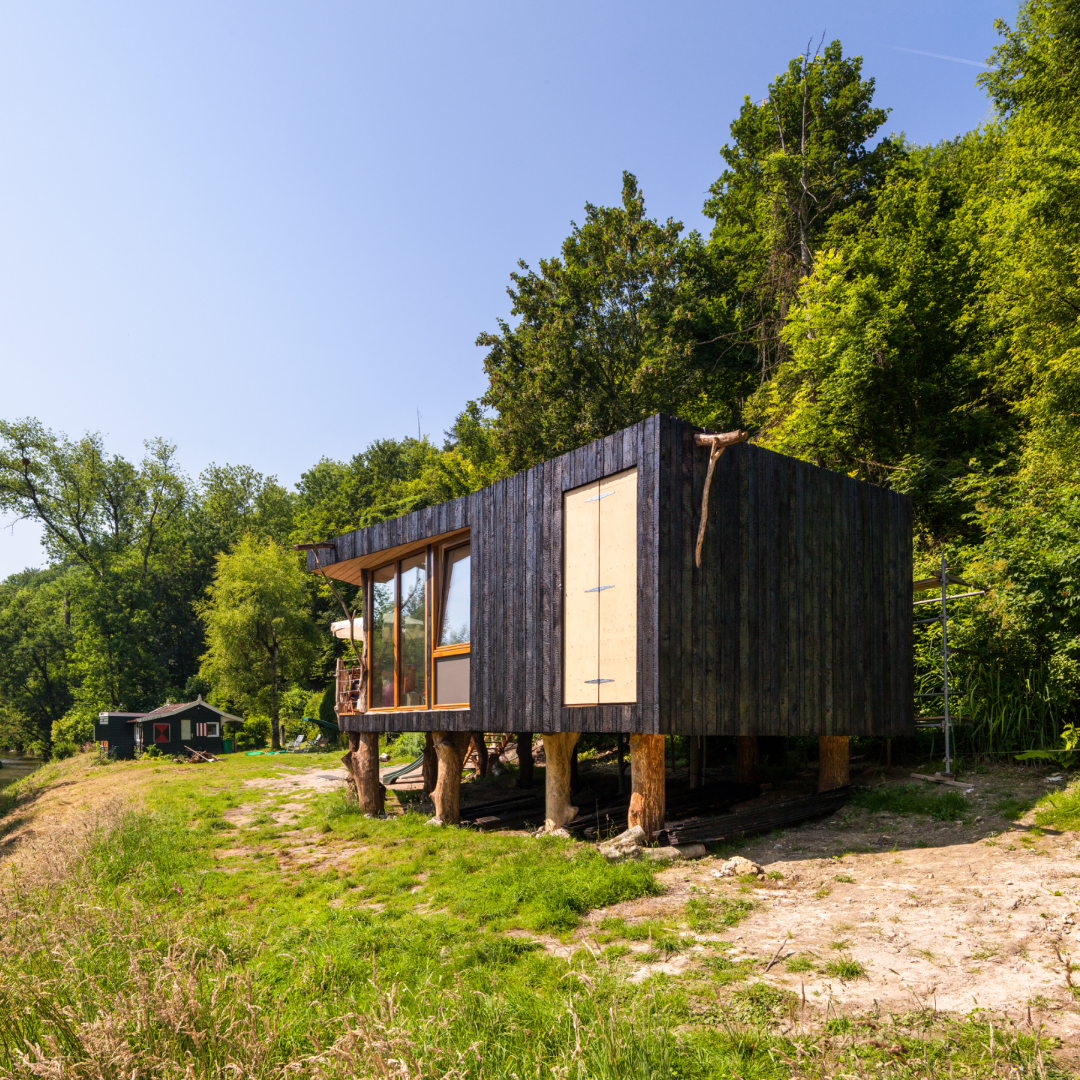
The unique production method not only benefits the appearance of our black burned wood. With their special woodworking technique, the Japanese found a way to make wood more sustainable. In fact, burning the wood makes it more resistant to insects and fungi. In addition, burning the wood creates a fire-retardant coal layer. There are even temples in Japan that have been standing for 1,000 years.
Wood stores CO2 and is therefore a sustainable material for cladding. At Zwarthout | Shou Sugi Ban, we also use wood from sustainably managed forests.
What other advantages does black burned wood have?
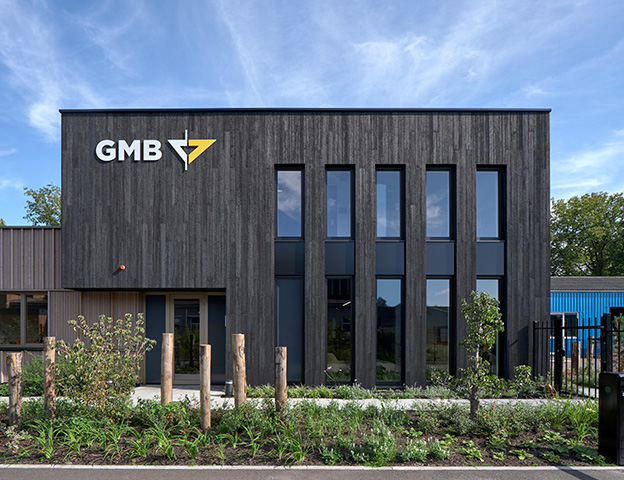
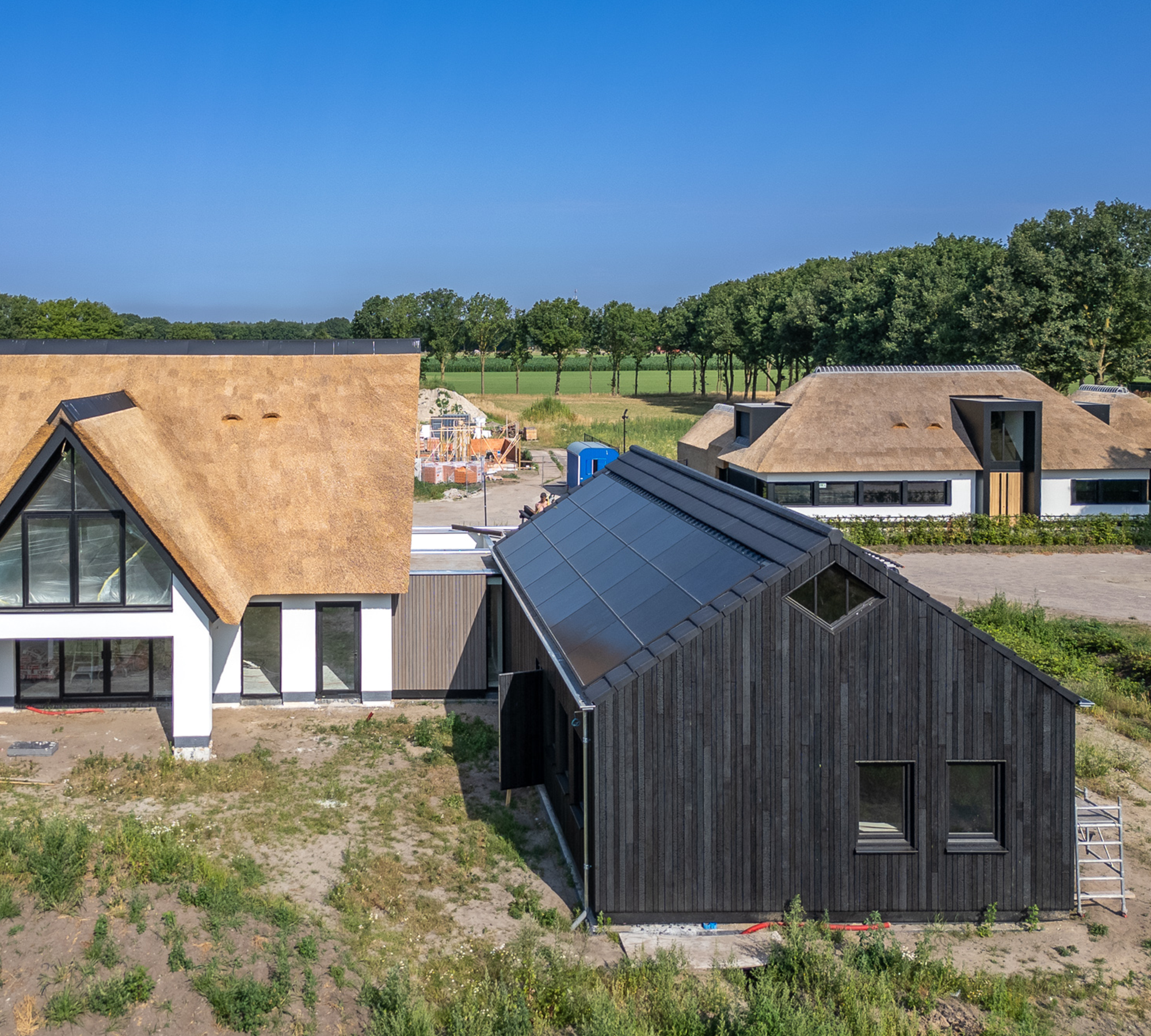
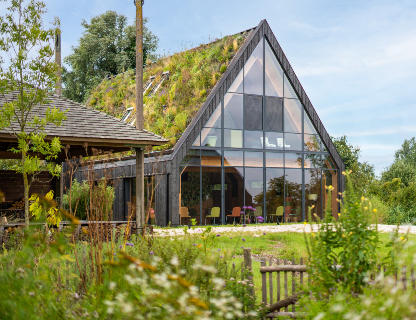
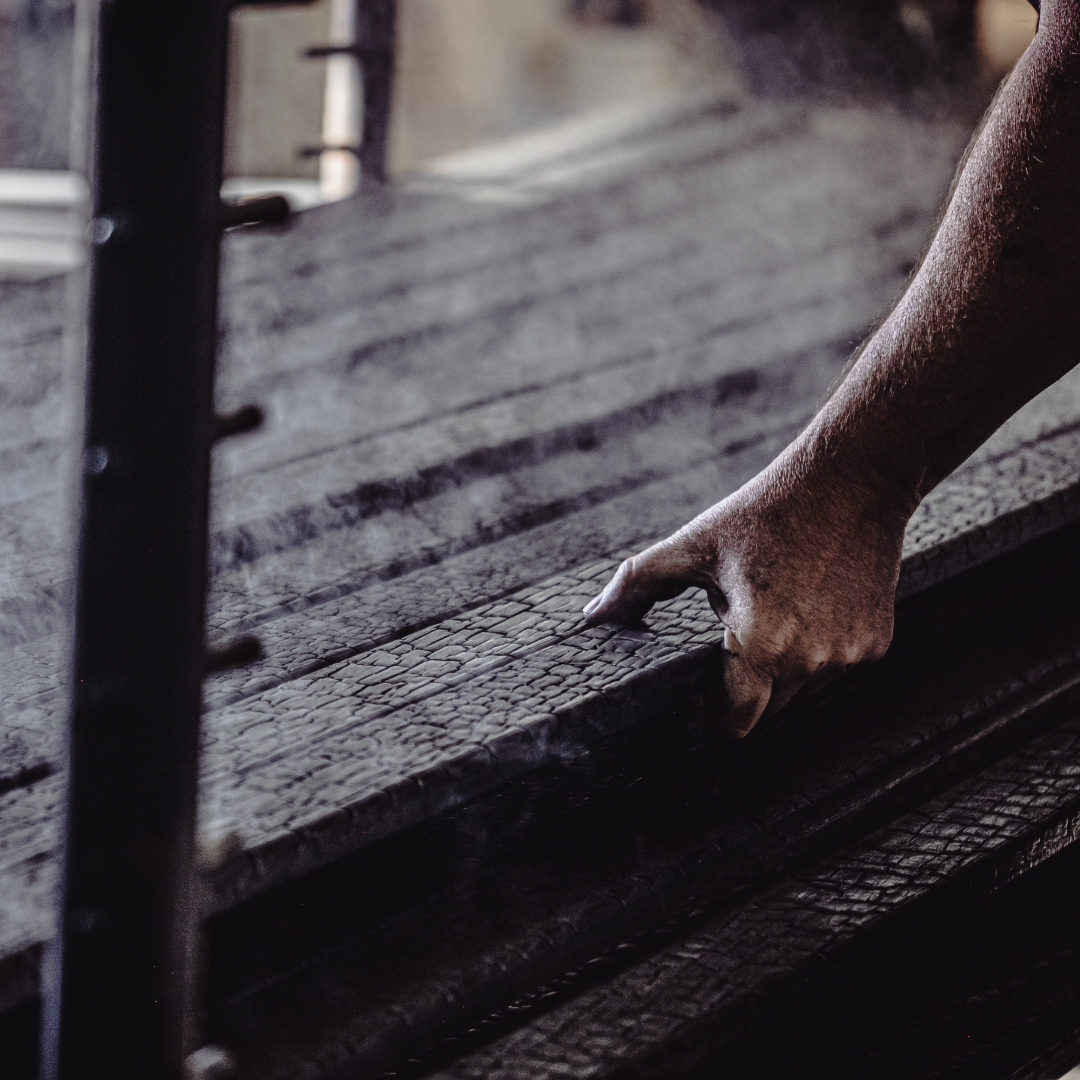
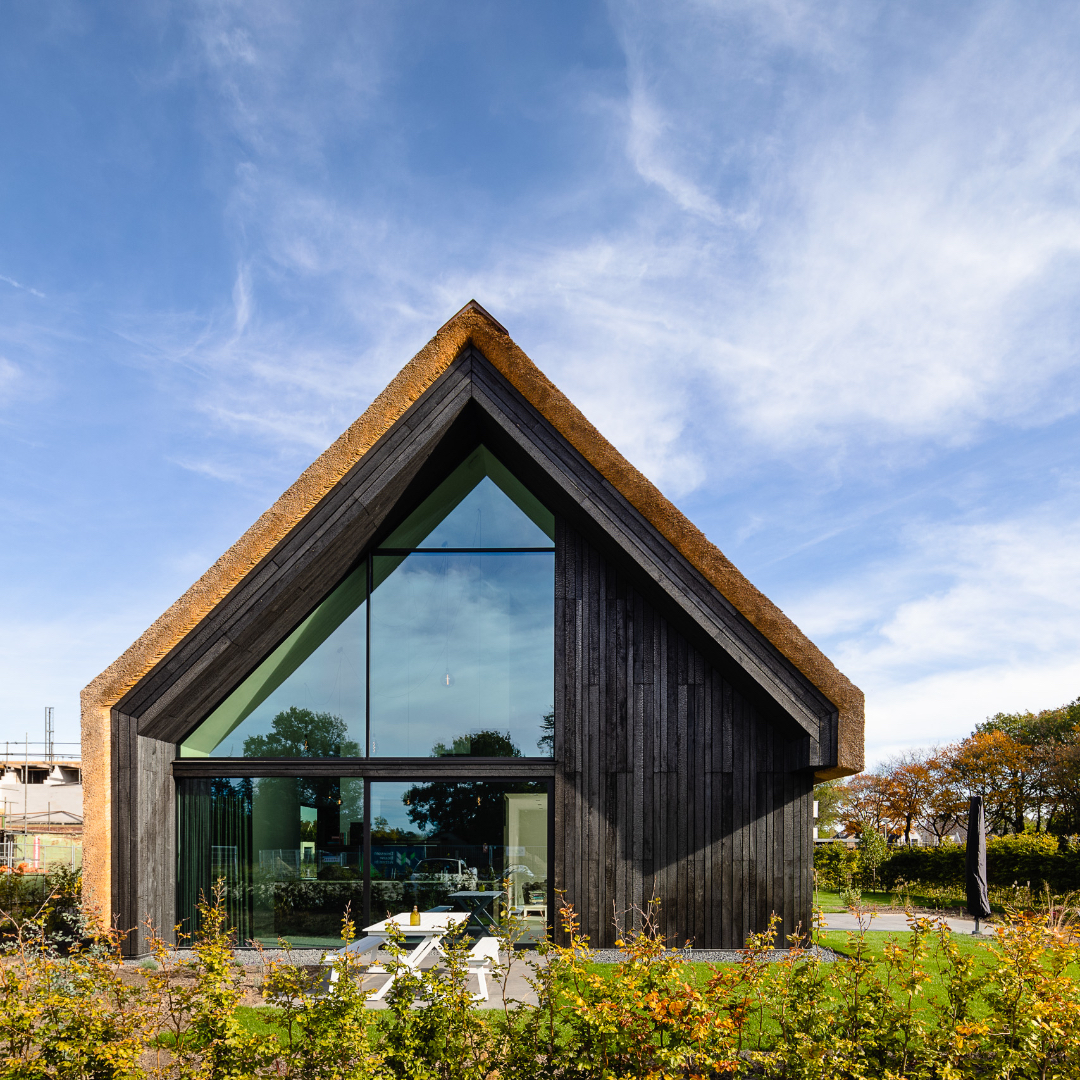
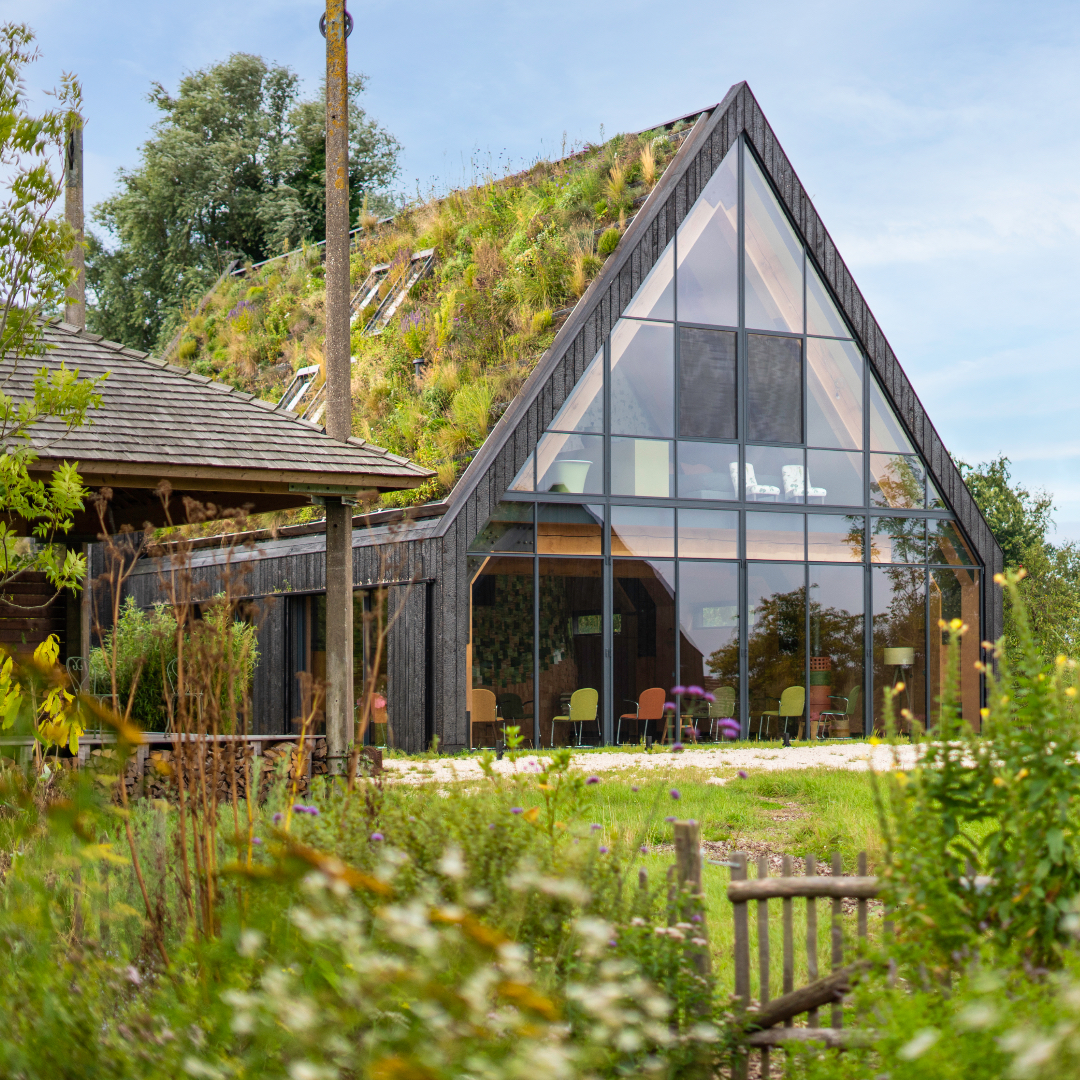
Black burned wood is very durable, but has even more advantages. For example, the wood has a unique appearance. Worldwide, we have burnt for unique projects over the past 10 years. From houses, schools, fire stations, apartment buildings to business premises. Each with its own design and look. Because what is unique is that each board has a different pattern. This makes every facade of our black burned wood different.
This therefore makes it the ideal material for creating a unique project. And to perfectly attach the wood to your facade, we have our own installation team. They are specialists in mounting Shou Sugi Ban wood.
We offer various options
Zwarthout l Shou Sugi Ban works according to the traditional Shou Sugi Ban technique combined with modern tehcnology. At the workshop in Lunteren, the fire masters burn all the wood in a controlled way – piece by piece – in the oven they developed themselves.
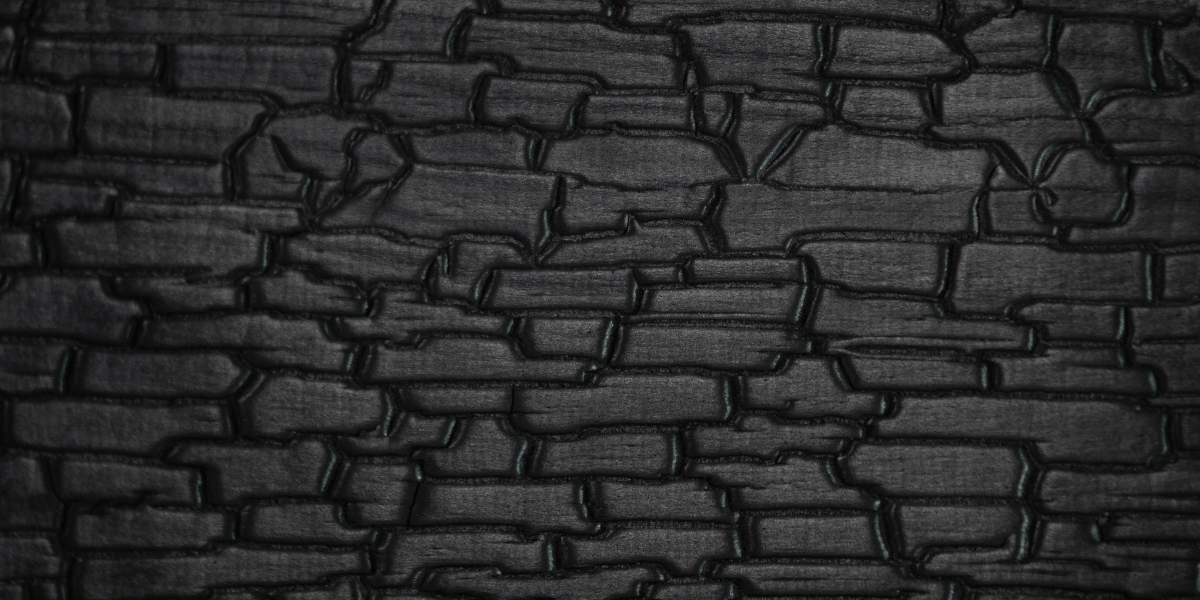
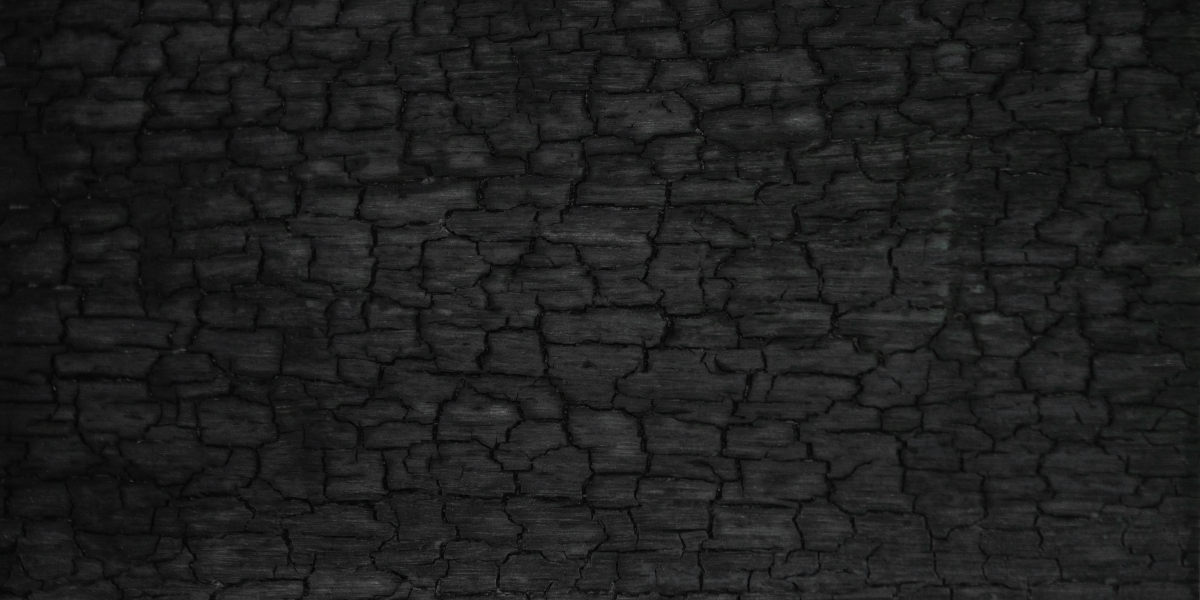
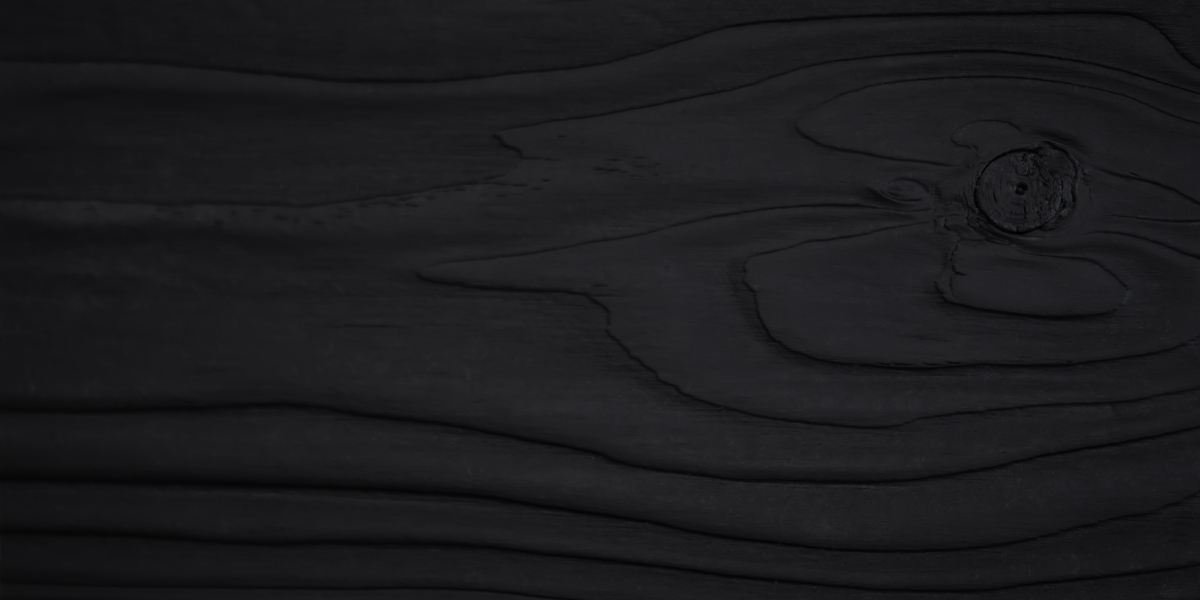
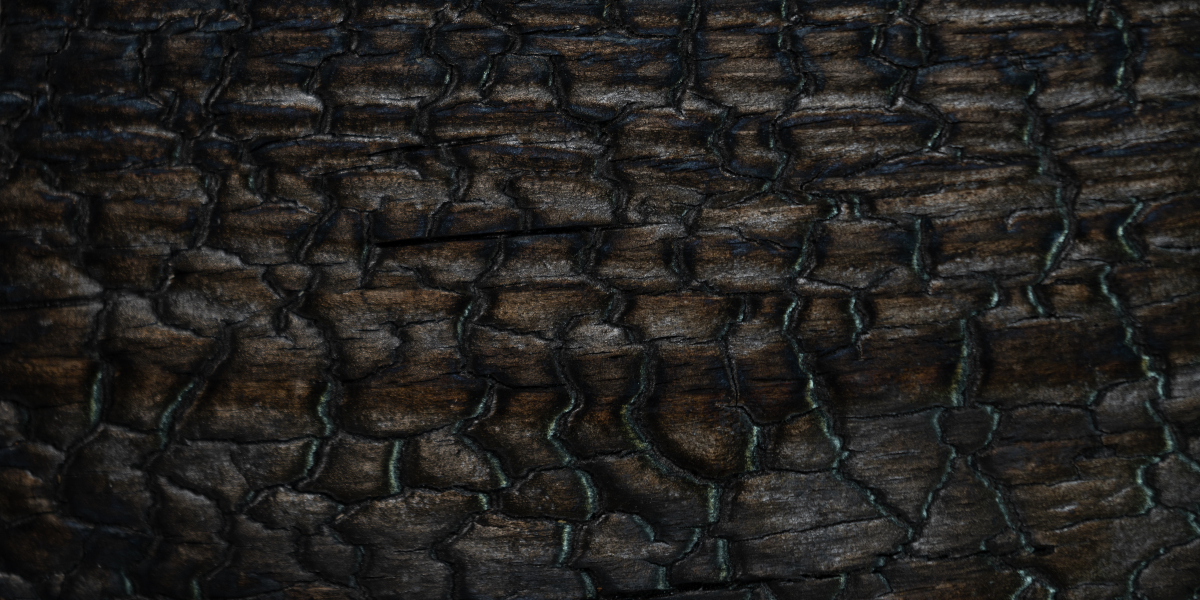
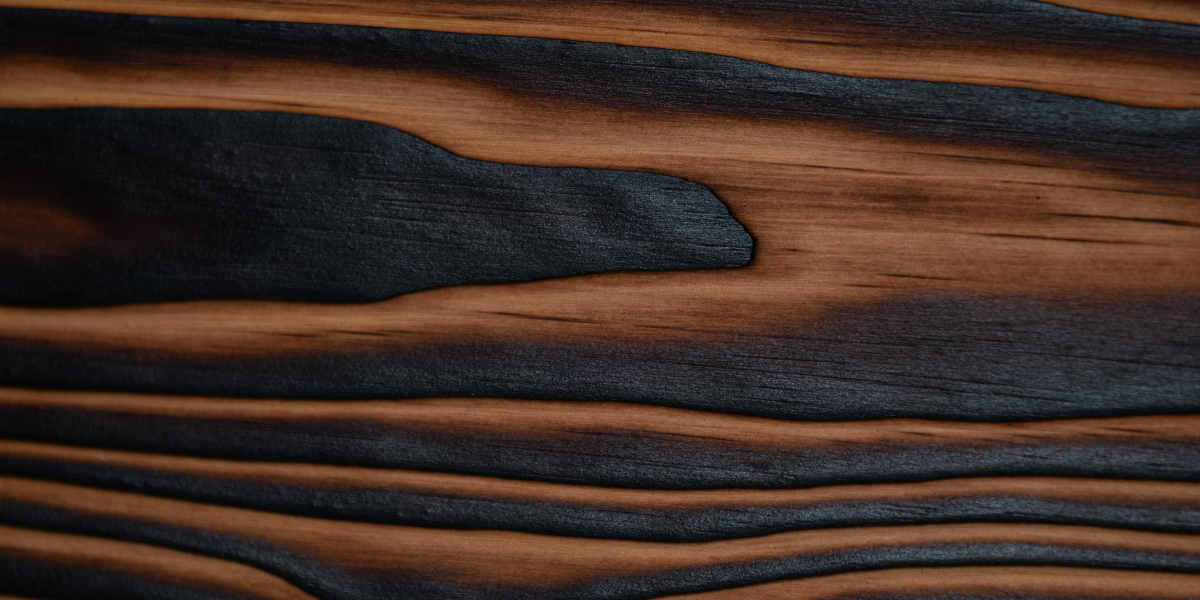
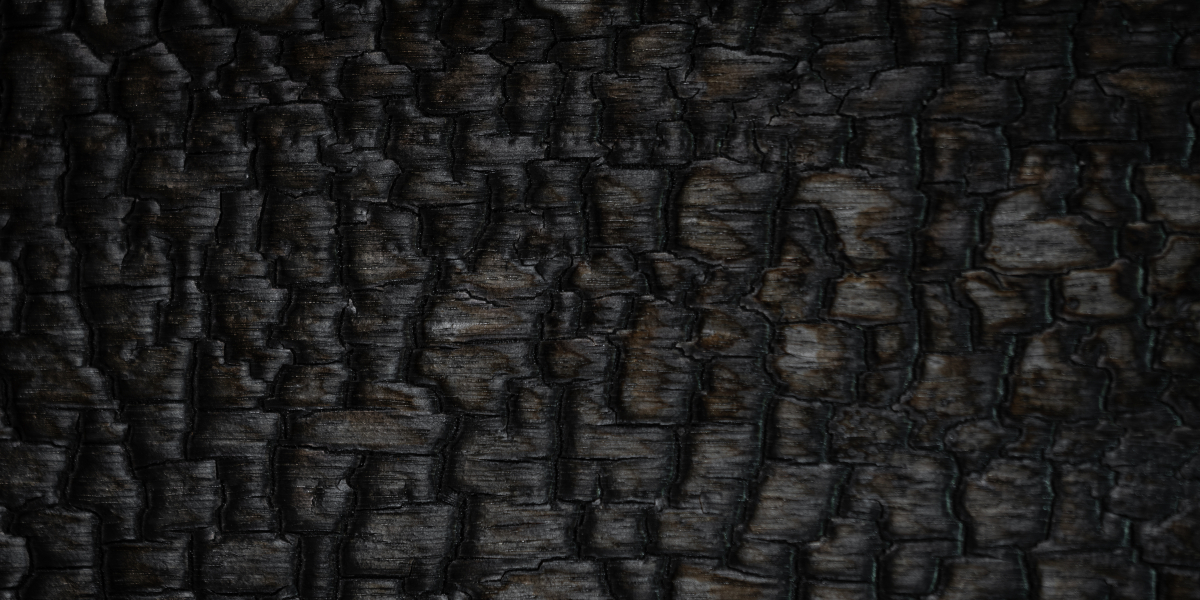
The oven is set to a different temperature and speed for each type of wood. We also have charred and brushed varieties. With the charred variants, you see a scaled structure, while with the brushed variants you see a flame or line pattern.
Would you like to order black burned wood?
Are you also going for a unique and exclusive look for your home or property? Then get a quote from Zwarthout | Shou Sugi Ban! You will soon have a clear overview of the costs. Not sure which type of wood best suits your needs? Then we recommend ordering a sample box so that you can compare the options. We will be happy to advise you.
FAQ
Latest reviews
The “Paradox.” Burning wood to protect it.
It sounds contradictory — but it’s brilliant.
At ORGA, we’re big fans of biobased materials that truly prove their worth. Take our collaboration with Zwarthout | Shou Sugi Ban, for example. By charring wood using the centuries-old Shou Sugi Ban technique, a natural protective layer is created — without the need for paint or chemicals.
The result is a façade with character, built to last for generations. In the three recent projects, we’ve seen how it creates a robust, timeless appearance, while simultaneously contributing to refined, high-quality architecture.
Less maintenance, and a building that only becomes more beautiful with age.
That, to us, is what truly future-proof design looks like.
“We recently replaced the potted decked timber on our farmhouse in the Beemster region with Shodoshima semi-gloss from Zwarthout l Shou Sugi Ban. With special planks 25 cm wide, it looks great on a farmhouse. A very beautiful product and great service from Zwarthout l Shou Sugi Ban!”
”We chose Yoroi for several reasons. First of all, we like the Japanese classical technique used for burning the bamboo. Due to the burning technique Shou Sugi Ban, Yoroi has a fire class B and is maintenance-free. Finally, the black charred bamboo is a regrowable material and aesthetically matches our design perfectly.”
”As a gardener, it is an honour to work with such beautiful traditional products.
The delivery times are also great and you get friendly service.”