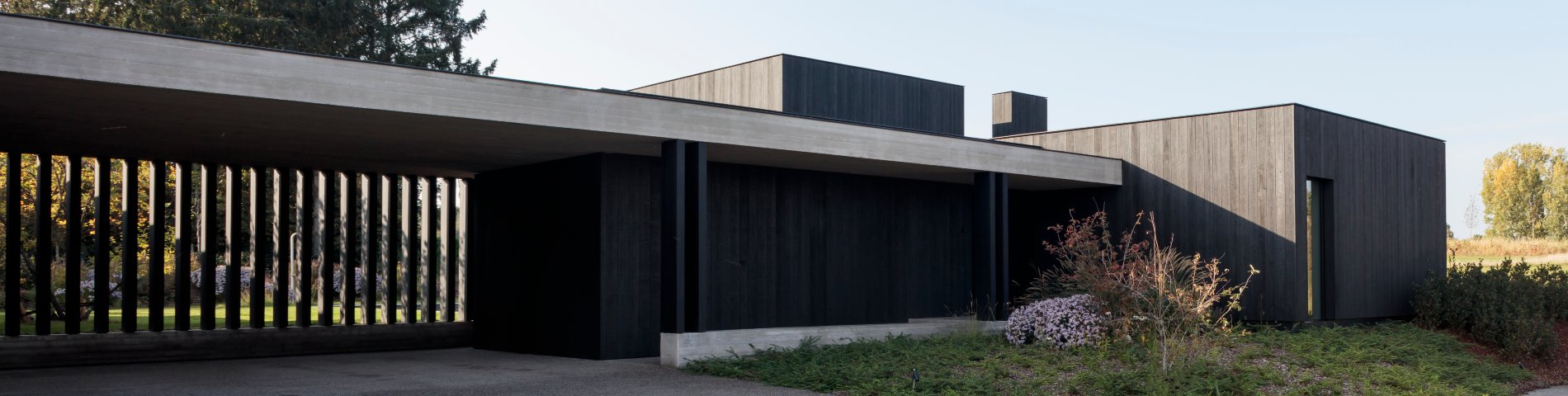
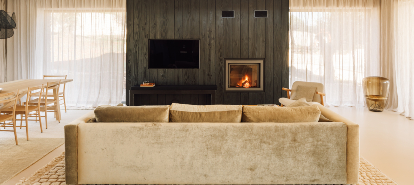
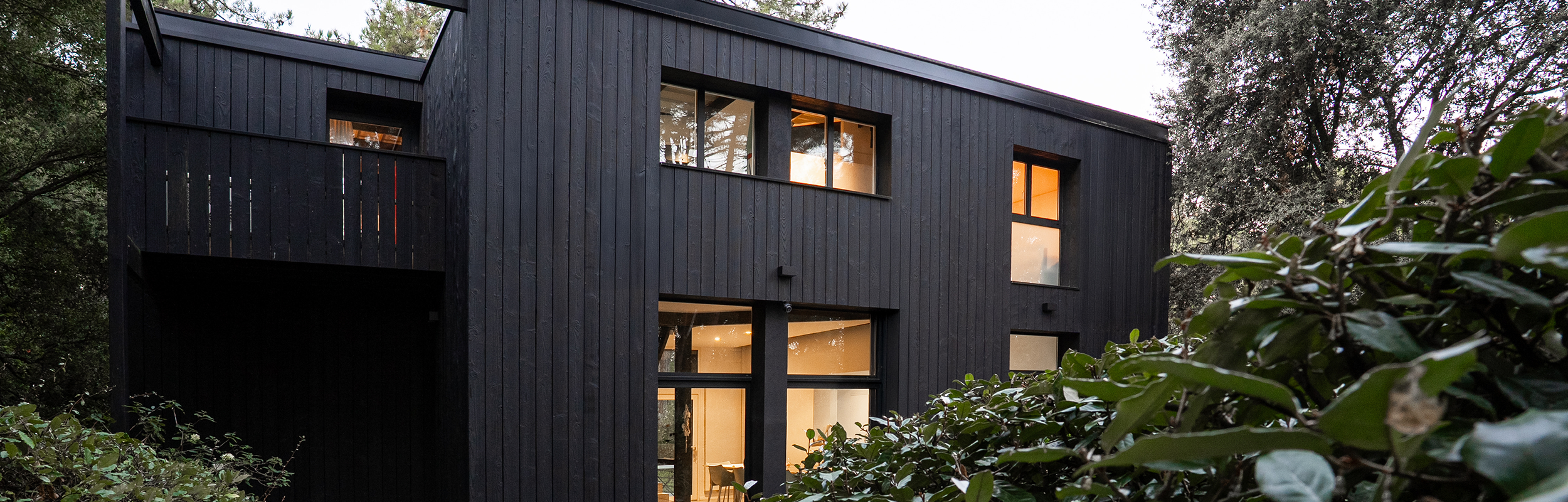
The choice of black timber, for example for façade cladding, is currently very popular. It creates a natural yet bold appearance and is also a sustainable choice. However, Shou Sugi Ban is certainly not a passing fad. It is a technique that dates back to the 18th century and has therefore been around for hundreds of years—and is likely to remain so for hundreds more.
Also read: History of Shou Sugi Ban
Shou Sugi Ban aligns with the sustainability trend
In the coming years, the trend towards sustainability in the construction sector will continue. All buildings and homes will need to be renovated and constructed in a more sustainable way.
Why Shou Sugi Ban fits perfectly with sustainability:
Timber from sustainably managed forests.
Our timber comes from sustainably managed forests and we work exclusively with certified wood species. Staatsbosbeheer, for example, is one of our key suppliers and ensures that trees are replanted.
Little to no maintenance.
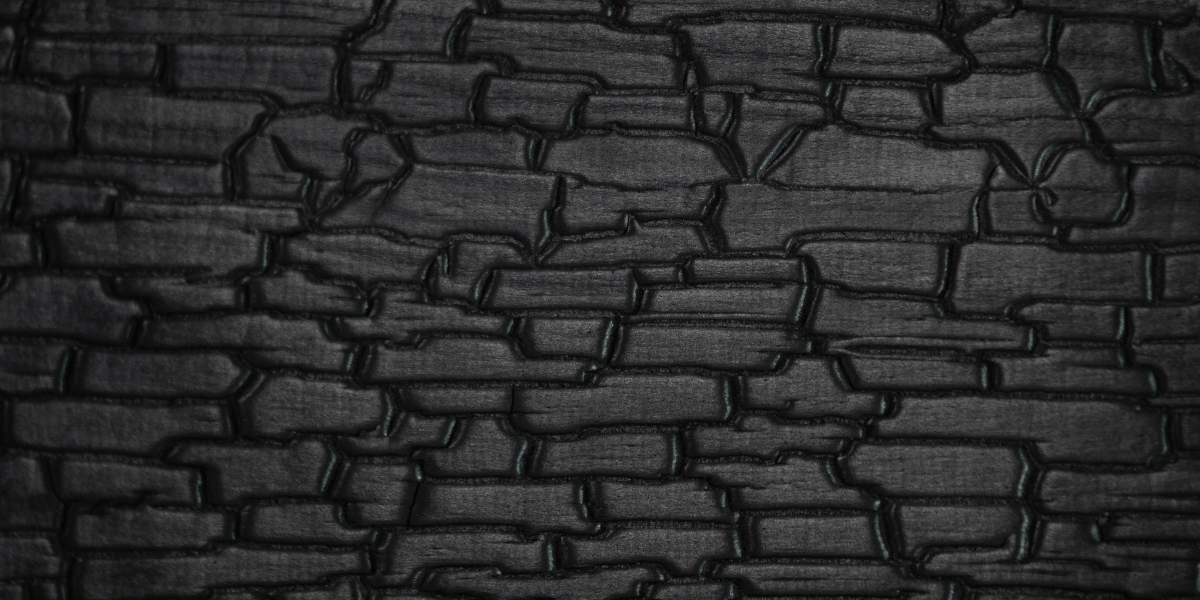
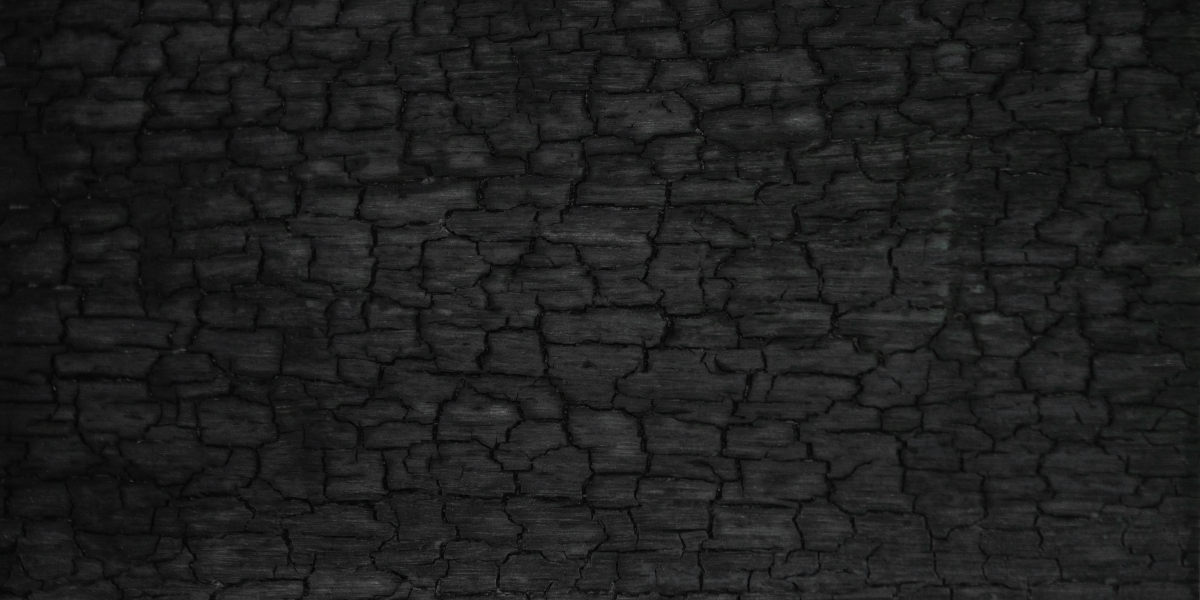
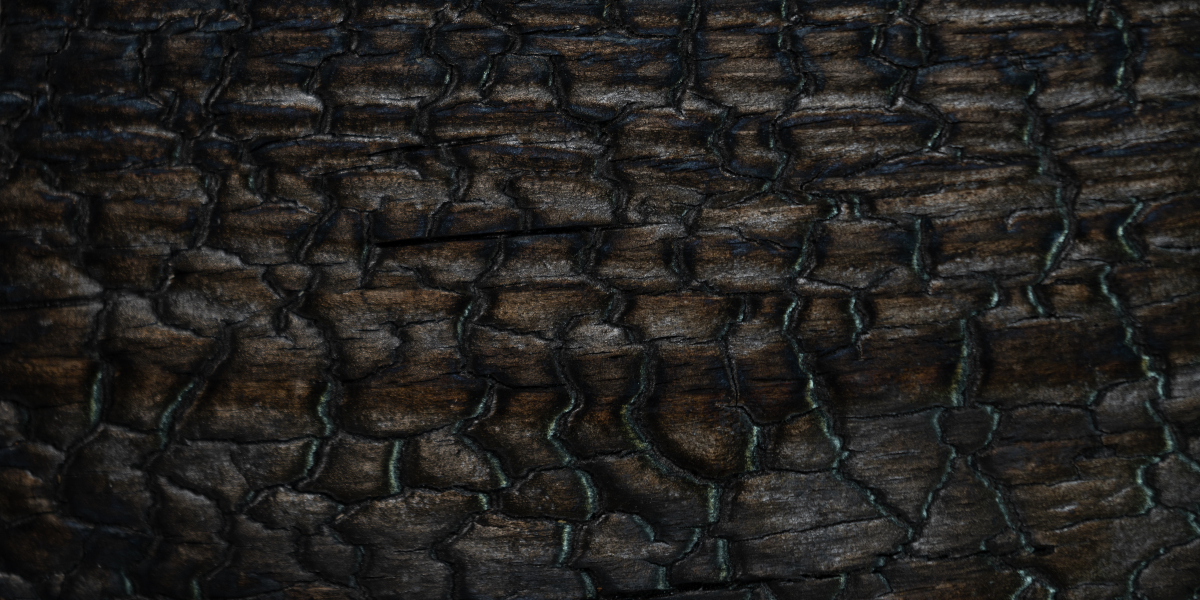
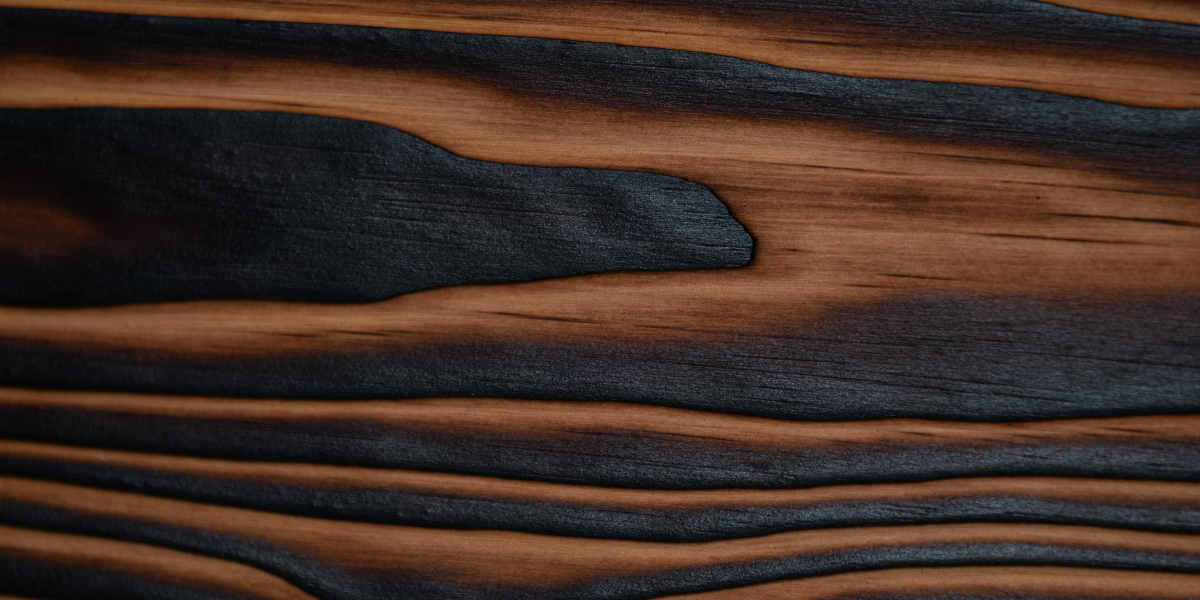
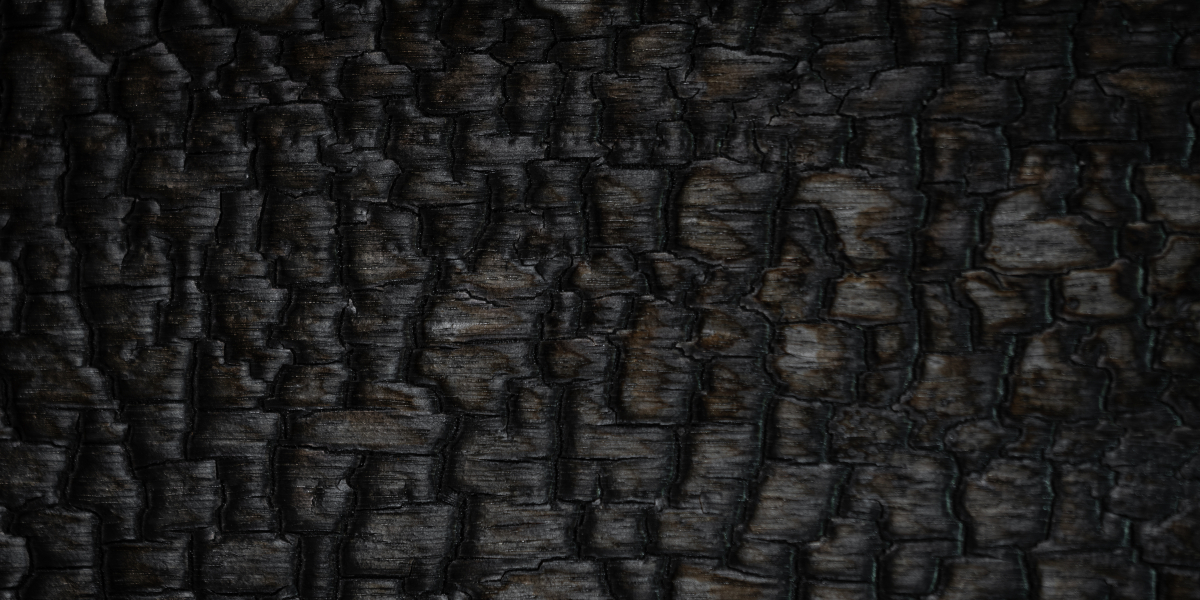
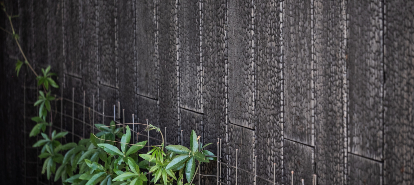
Thanks to the Shou Sugi Ban technique, a blackened, charred layer with a beautiful grain pattern is created. The burnt boards with their craquelé texture retain their colour and therefore require little to no maintenance. This means the timber does not need to be regularly re-stained or varnished.
Longer lifespan.
The technique, in which the surface of the timber is charred, provides better protection against external conditions. As a result, Shou Sugi Ban timber is more resistant to insects and fungi. This significantly extends its lifespan, meaning it needs to be replaced less quickly than timber treated in other ways.
Outlook for Shou Sugi Ban
The Shou Sugi Ban burning technique was developed in the 18th century to extend the life of timber and improve its weather resistance. Even so, expectations are that—despite this already sustainable technique—greater attention will be paid to environmental impact. The technique itself can hardly be made more sustainable, but there is likely to be a stronger focus on choosing local timber species and/or reuse.
The technique will also increasingly be applied on-site rather than in overseas factories—something we at Zwarthout | Shou Sugi Ban have been doing for years. Craftsmanship and sustainability are gaining importance, while logistics and associated emissions are reduced, which we consider entirely justified.
No crystal ball for future trends
Taste is, of course, subjective. And while Shou Sugi Ban certainly has a future as a sustainable technique, we cannot say whether it will still be considered a trend in twenty years’ time. What we do know is that black is a very neutral colour and therefore never truly goes out of style. Black timber is timeless, and for that reason we expect Shou Sugi Ban to remain popular for decades to come.