Contemporary Barn House with Characterful Contrast
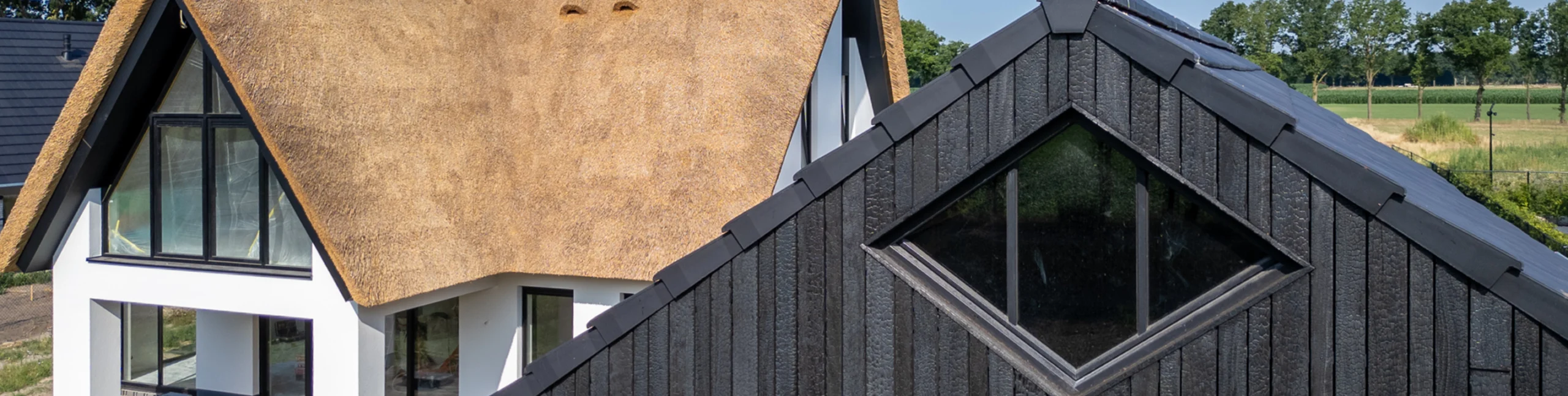
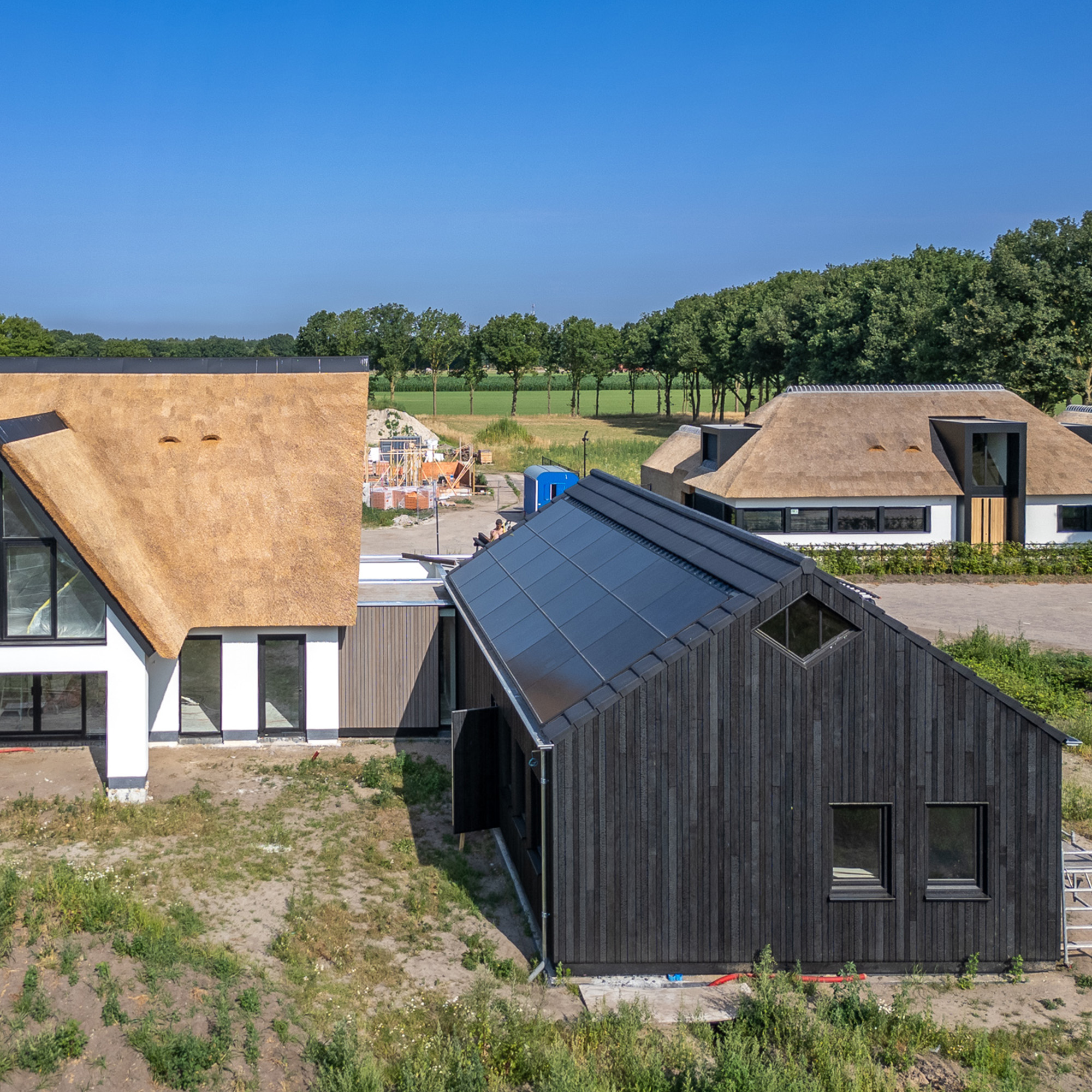
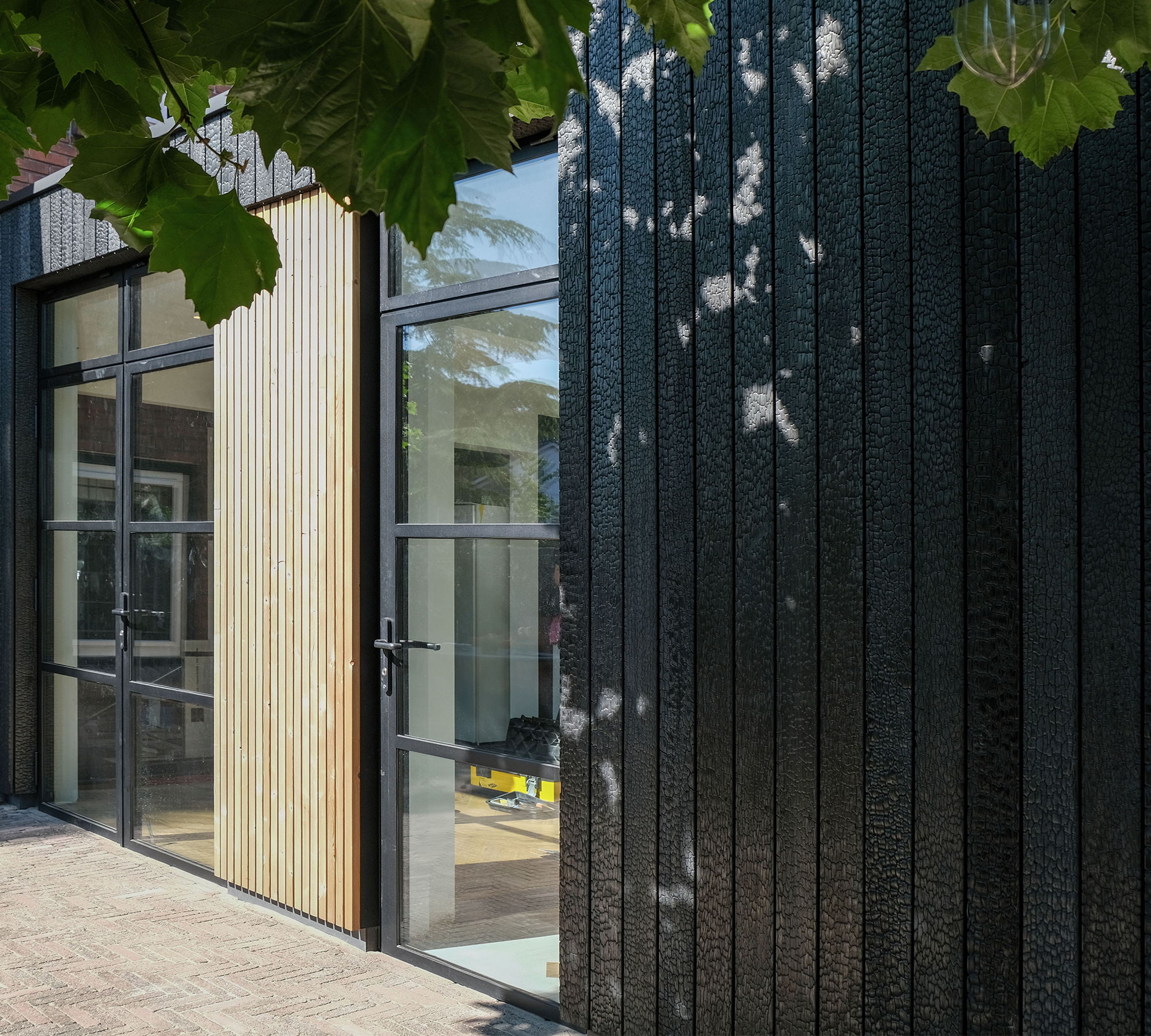
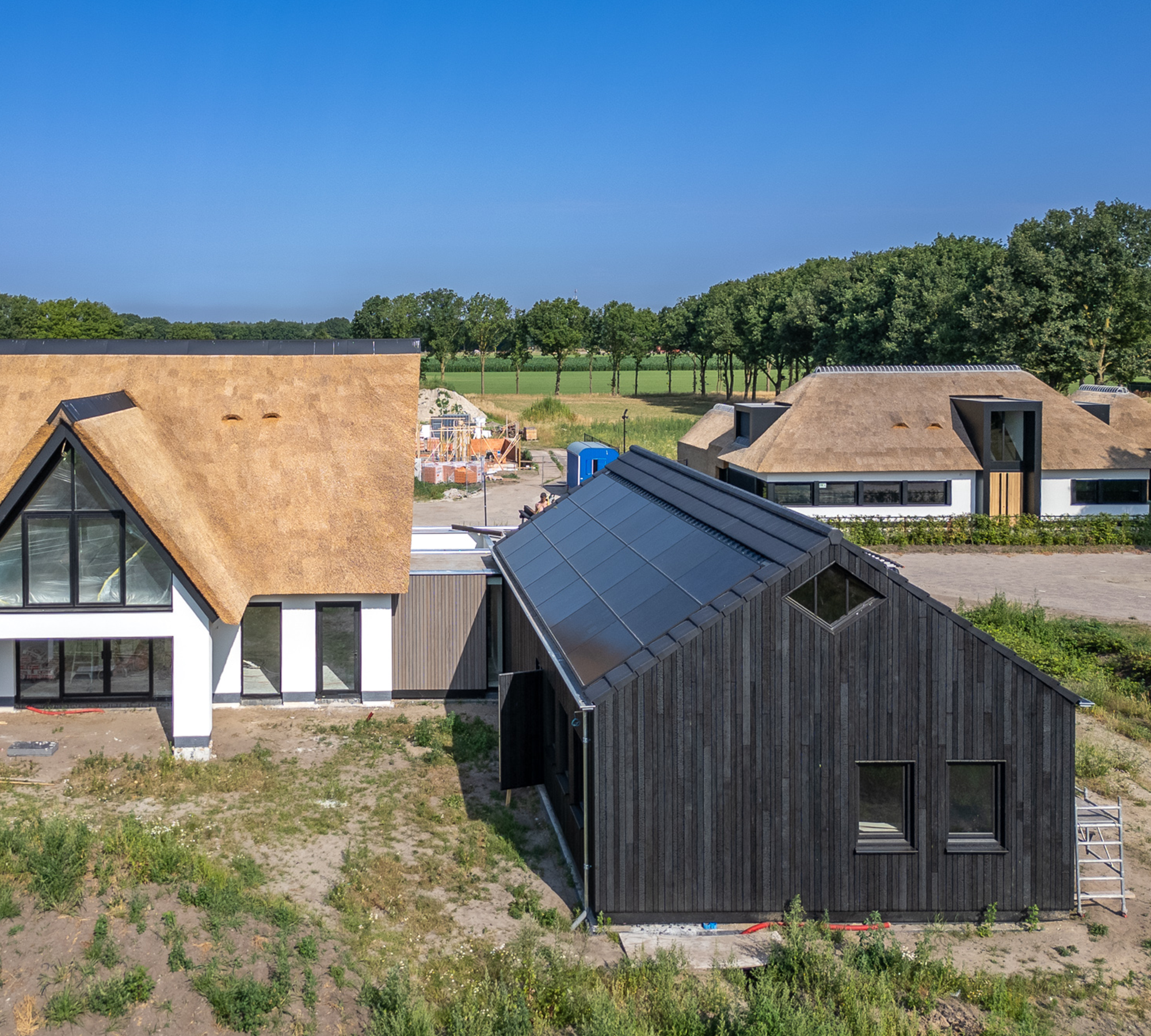
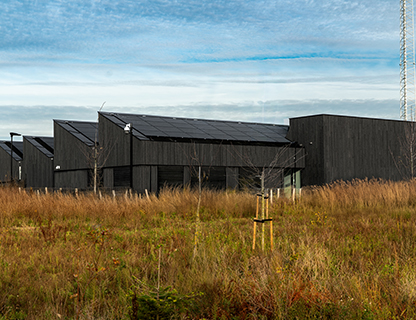
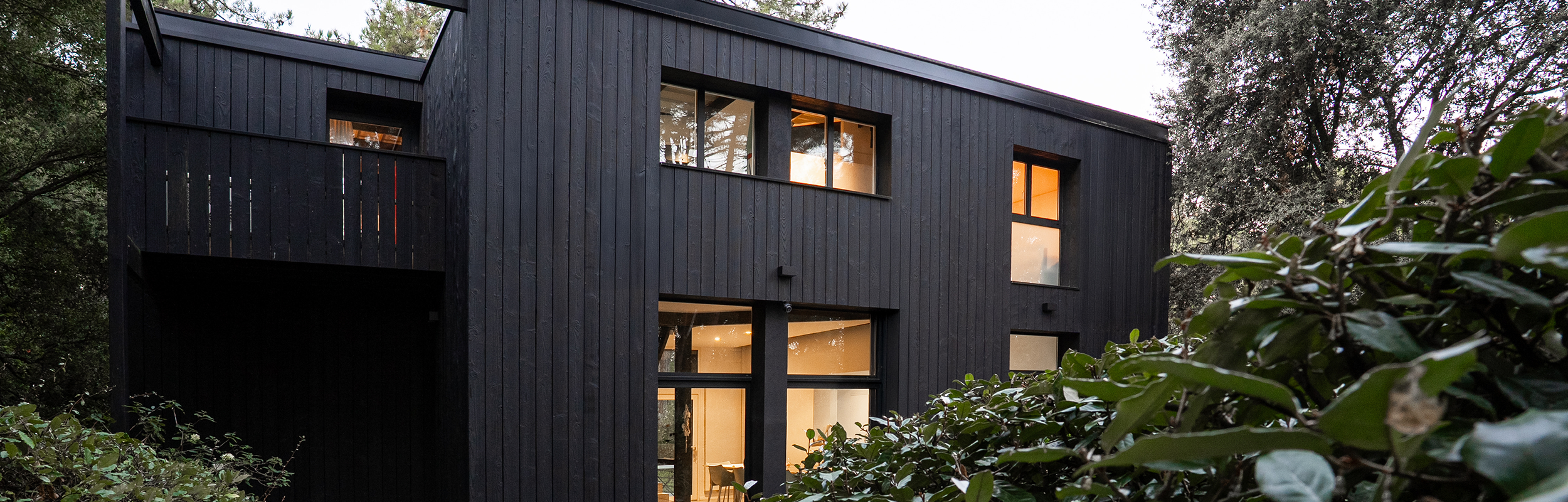
In this project, craftsmanship and architecture converge in a powerful material expression. The barn house is clad in Omiyama charred wood, forming a bold yet refined counterpoint to the thatched main volumes. The project was realised by Mallens Bouw, where craftsmanship and detailing visibly come together in the final result.
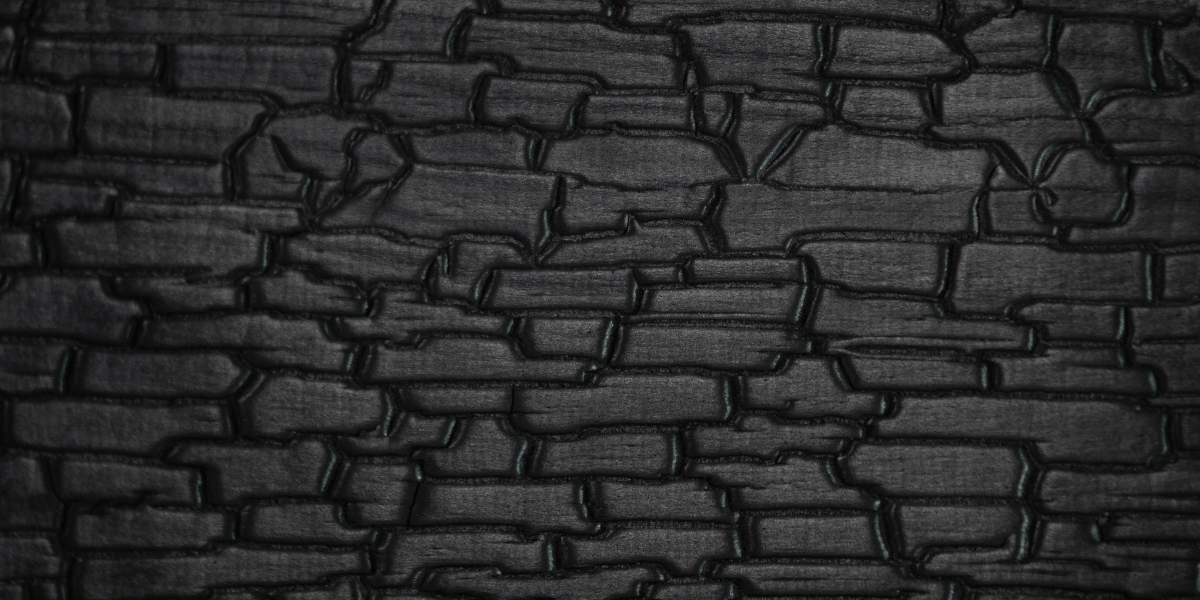
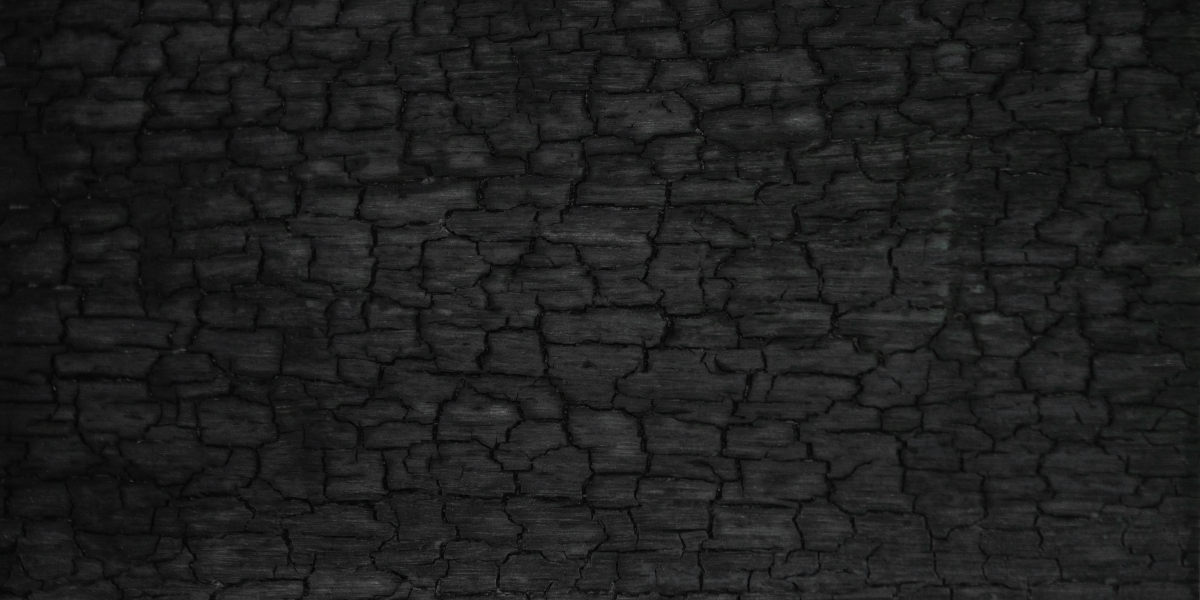
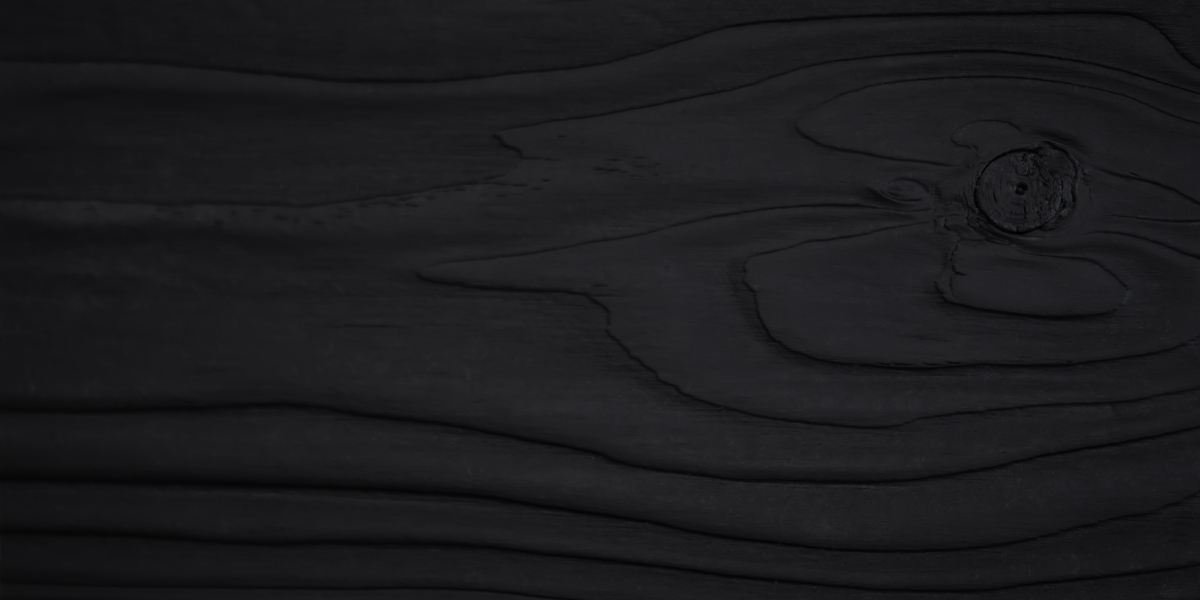
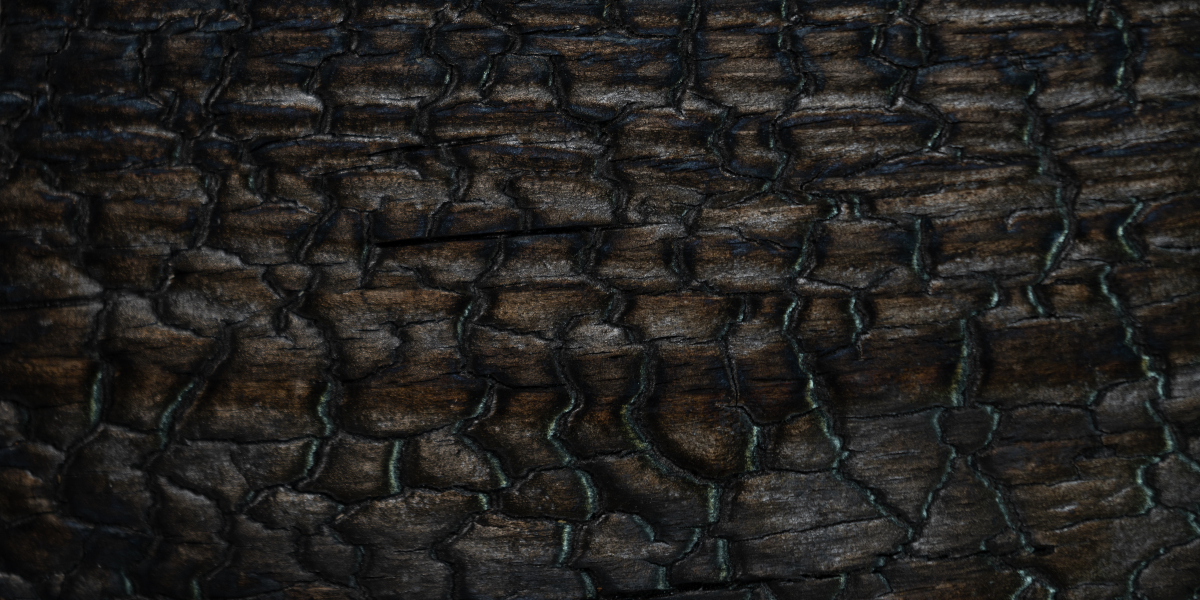
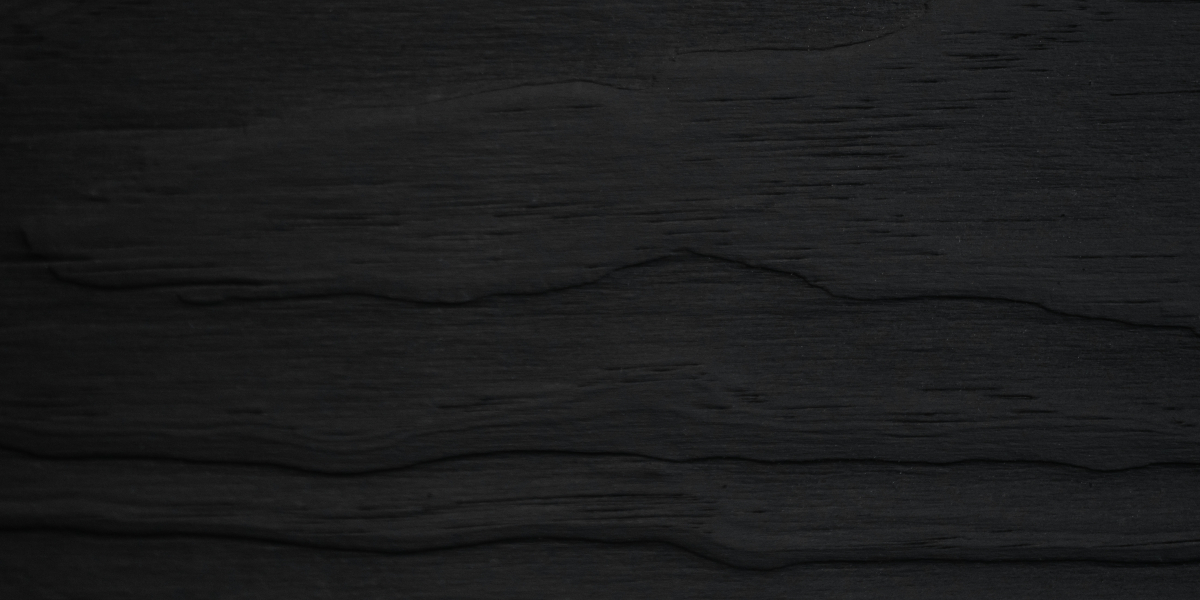
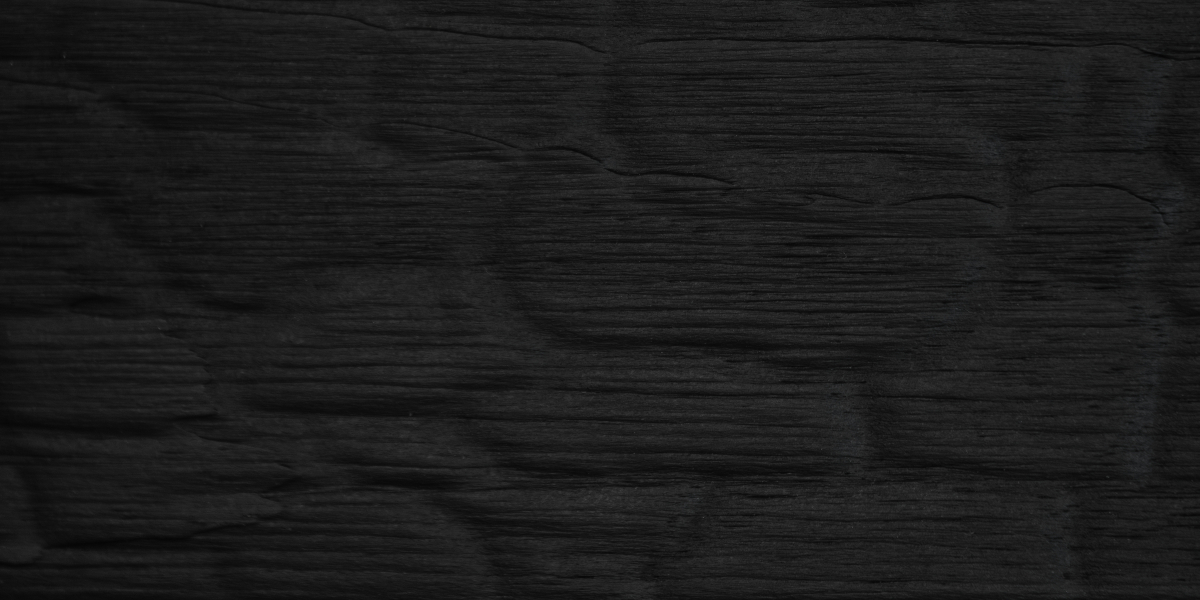
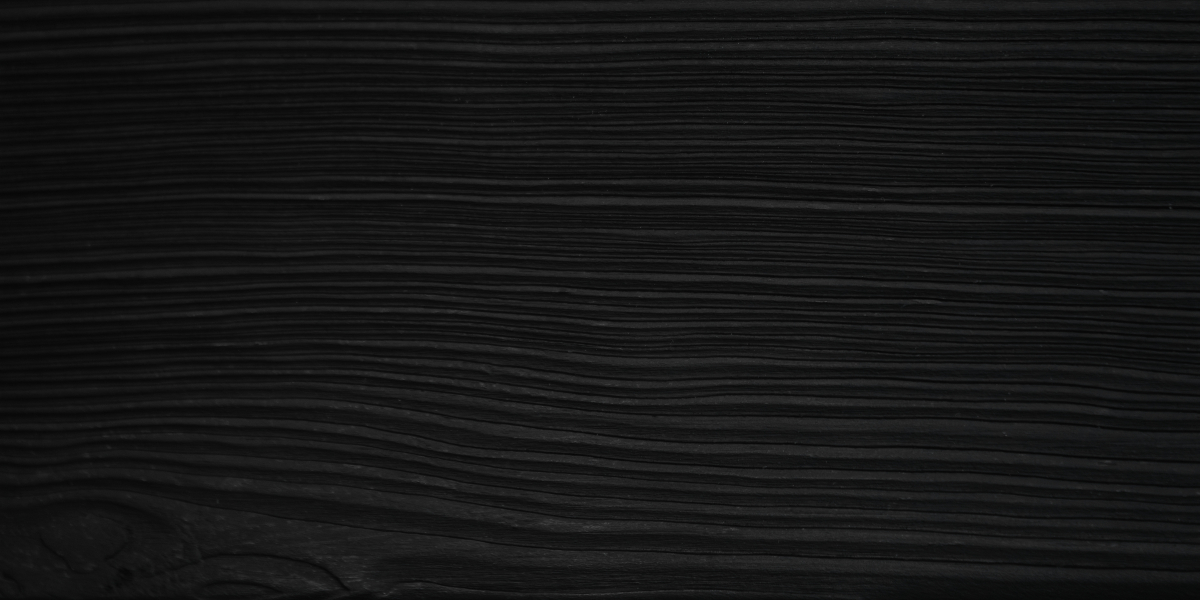
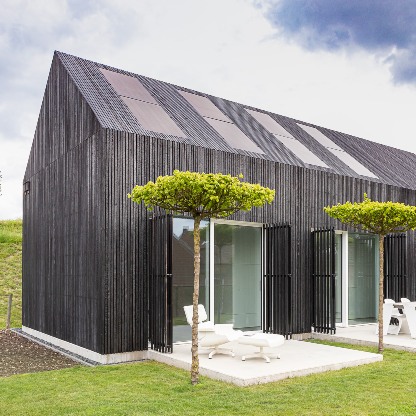
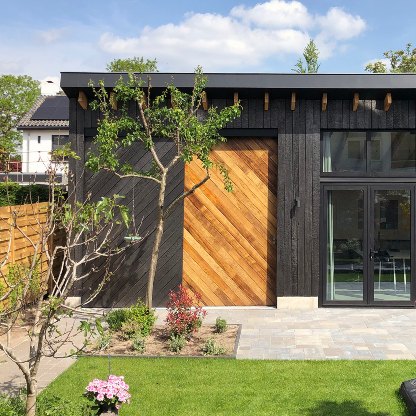
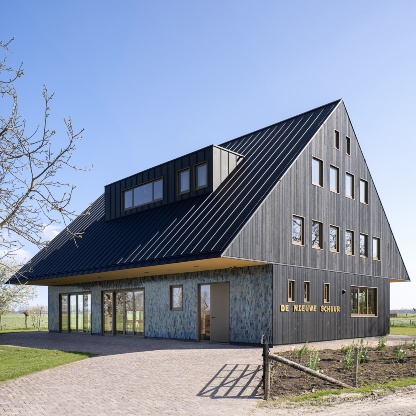
The choice of Omiyama reinforces the archetypal barn typology while simultaneously adding a contemporary layer. Its deep matte-black tone absorbs light, allowing the volume to visually recede into the landscape. This creates a clear hierarchy between the main building and the annex, without compromising the overall cohesion of the ensemble.
Material as a Design Instrument
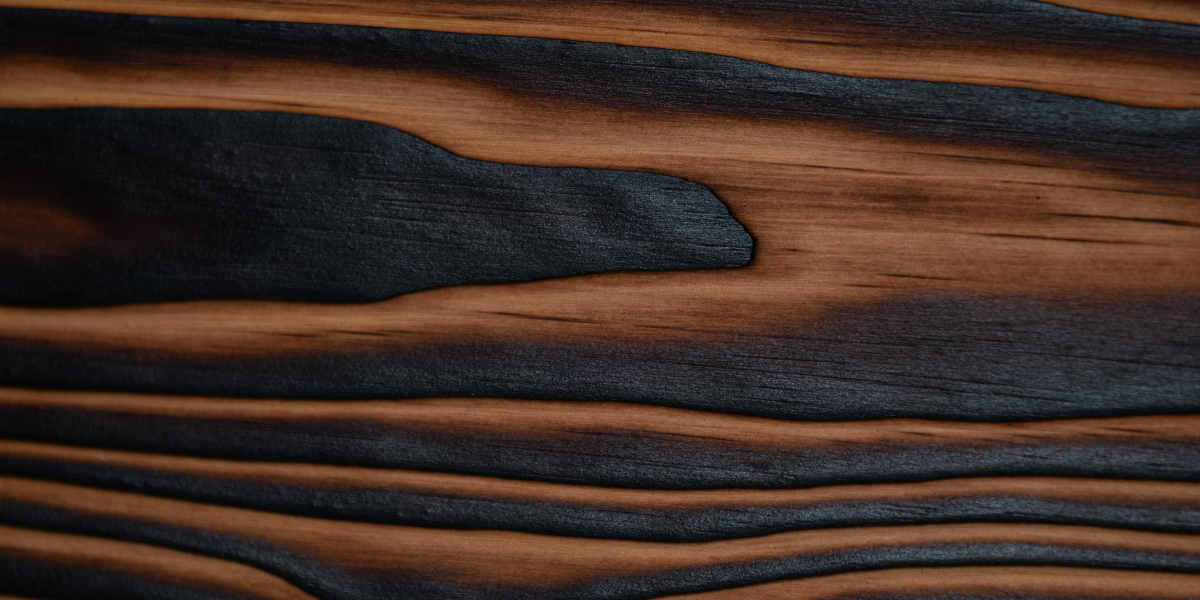
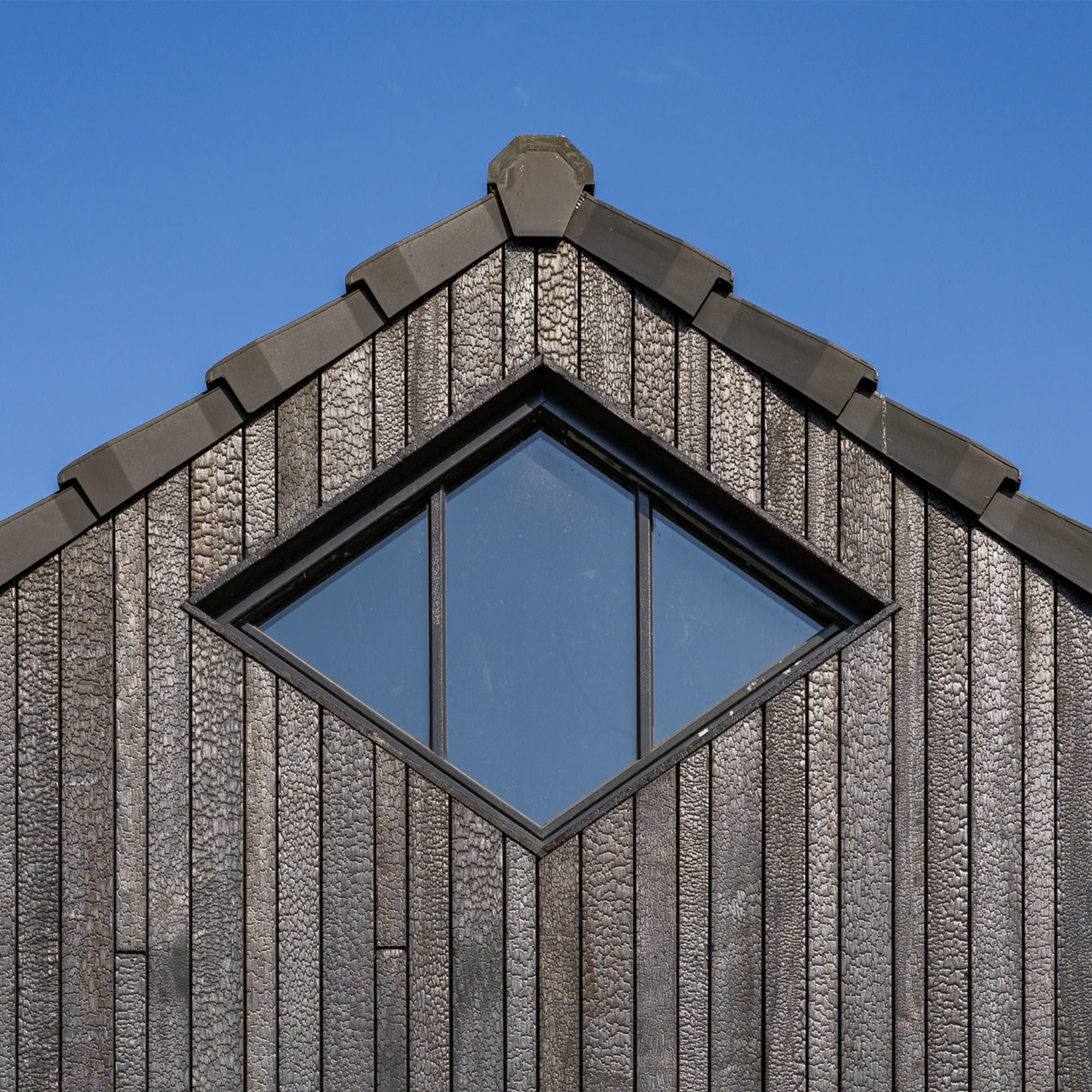
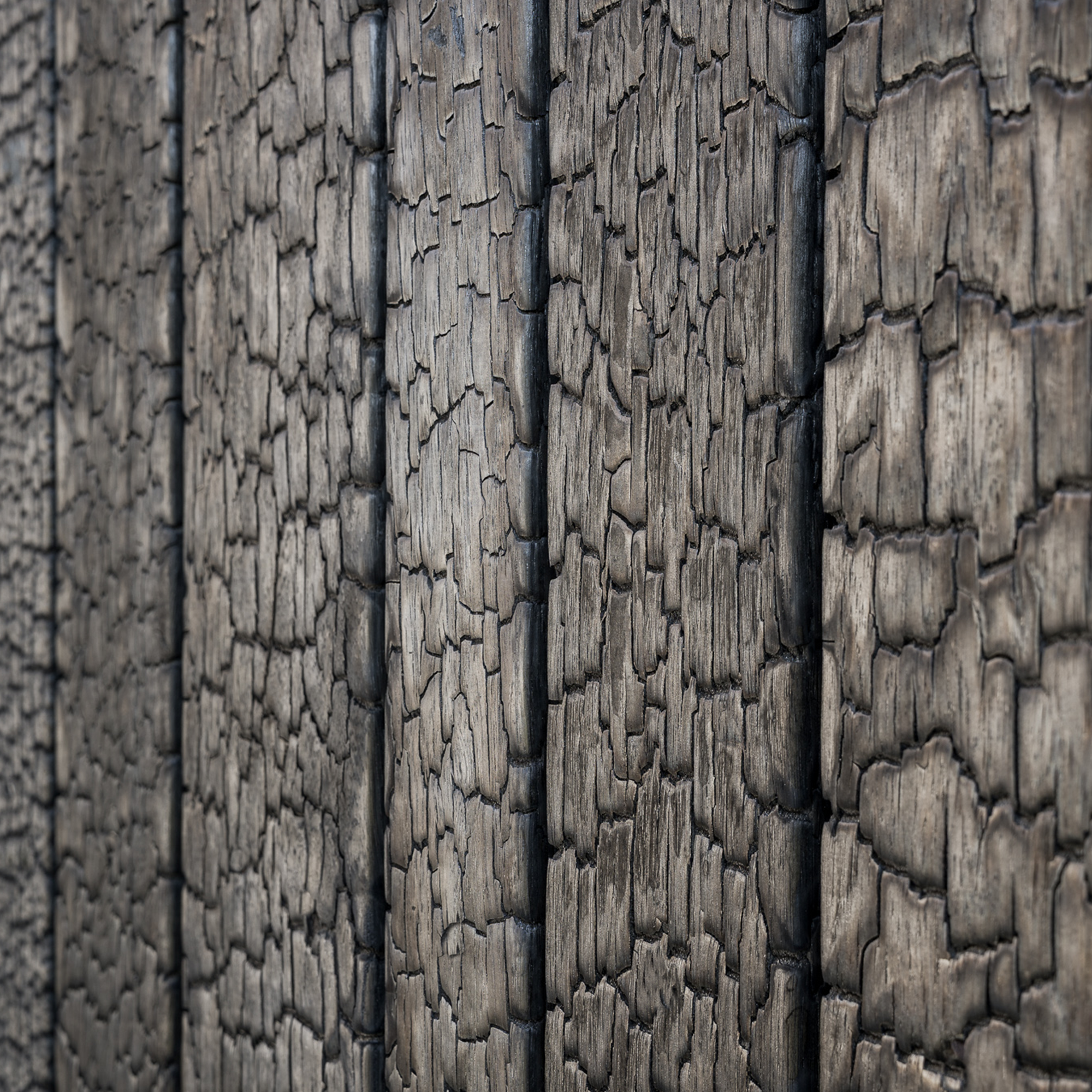
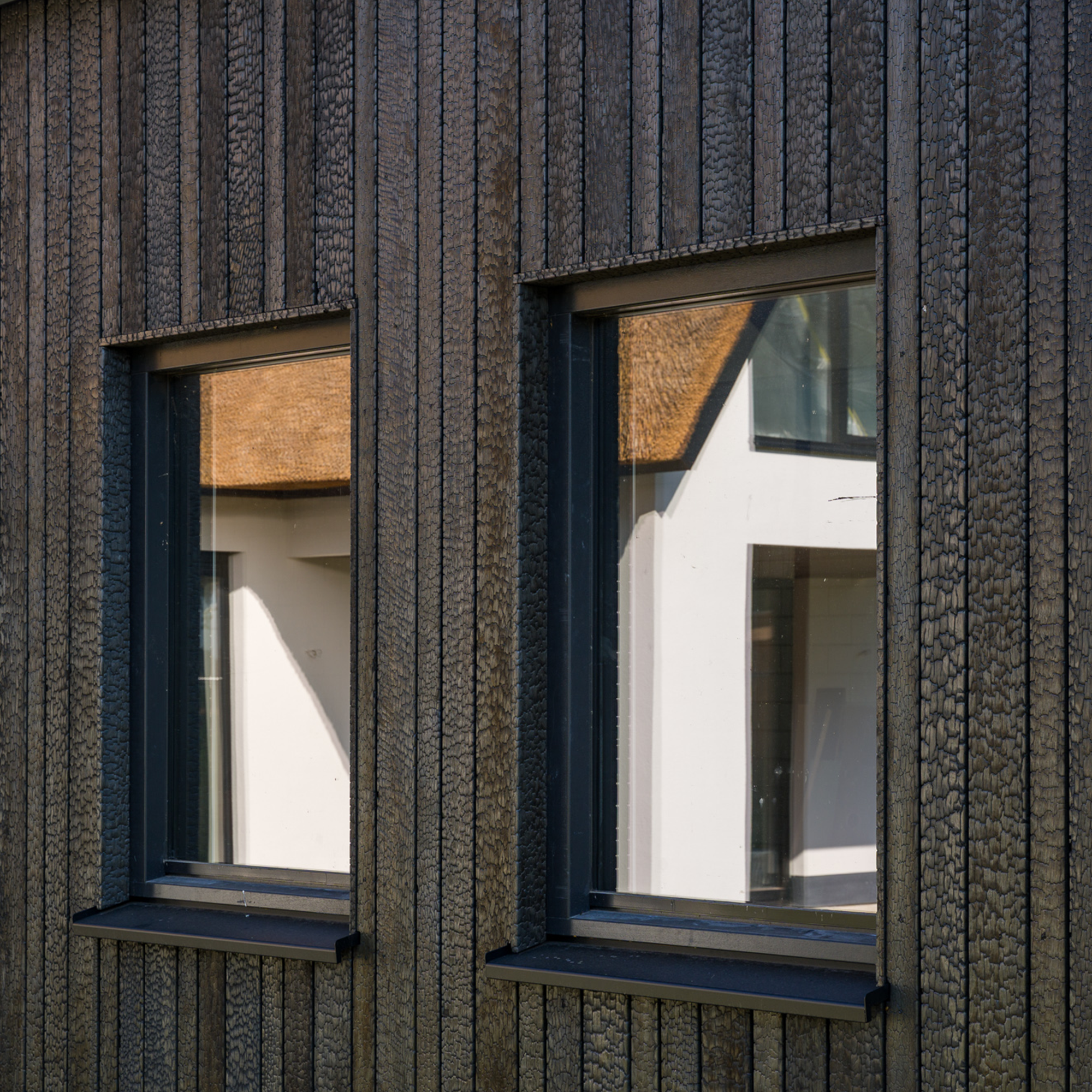
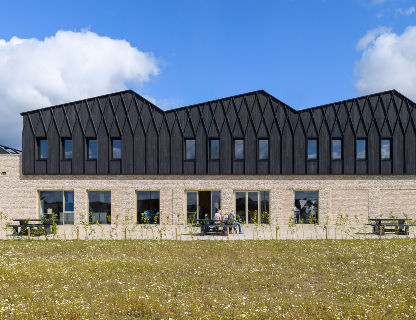
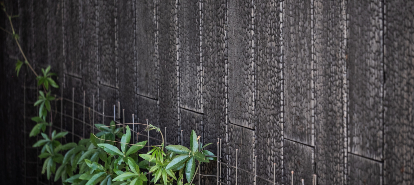
For architects, charred wood offers more than aesthetics. The subtle grain pattern and natural variation in the surface give the façade a vibrant, tactile character that evolves throughout the day as light conditions change. In this design, the vertical cladding emphasises the slender roof form and enhances the rhythm of the façade openings.
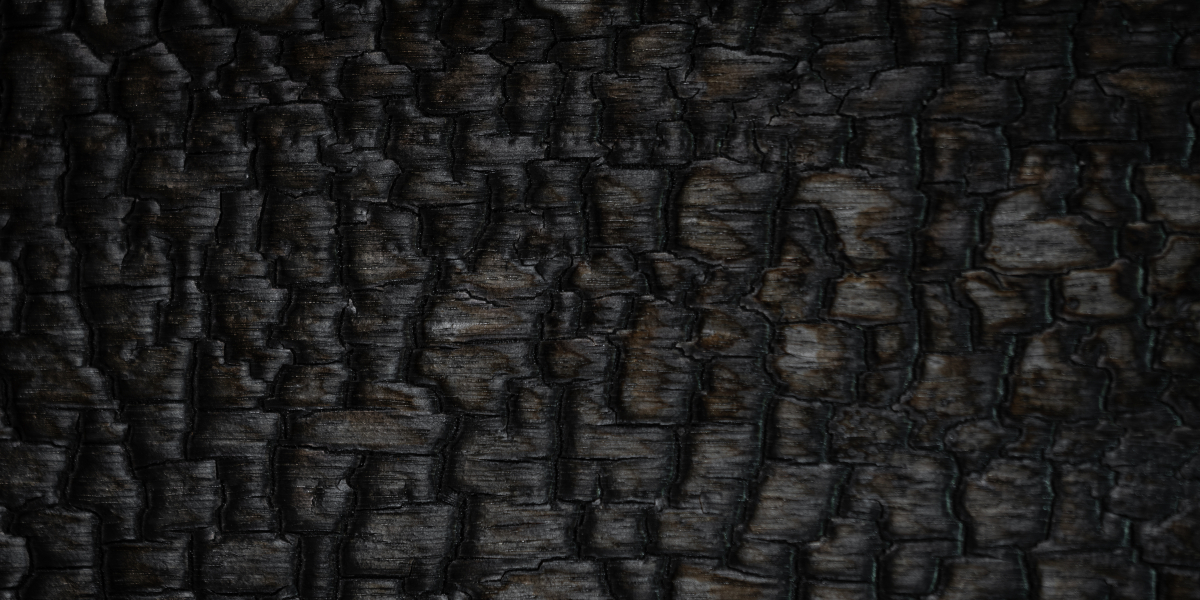
Omiyama is carefully and consistently charred and finished, enabling the wood to combine expressive appearance with long-term performance. The charring process enhances the material’s natural resistance to weathering and contributes to a low-maintenance façade, an essential principle in contemporary residential architecture. In collaboration with Mallens Bouw, the material was developed down to the finest detail, with junctions, window frames and roof edges seamlessly integrated into the architectural expression.
Dialogue Between Tradition and Innovation
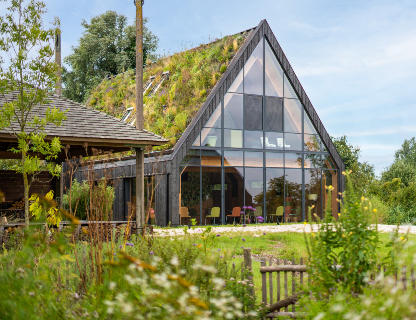
While the thatched roofs refer to rural building traditions, the charred wood introduces a modern, almost graphic sharpness. The contrasting material palette strengthens the architectural composition: light versus dark, soft versus robust, traditional versus contemporary.
The result is an ensemble in which material choice is not decorative, but directive. Omiyama charred wood demonstrates its strength here as an expressive façade material for architects seeking depth, durability and a distinctive identity within a minimalist volume.