Sustainable façade cladding requires a careful consideration of material, lifespan, and maintenance. For architects, not only the environmental impact matters, but also how a façade evolves over time.
Wood is, in that respect, a logical starting point. It is a renewable resource and stands out because it absorbs and stores CO₂ during its growth. However, the actual sustainability of a wooden façade is largely determined by how it is processed and applied.
Wood as a sustainable façade material
When wood comes from sustainably managed forests and is applied correctly, it can provide a long-lasting and responsible solution for façade cladding.
During a tree’s growth, CO₂ is absorbed from the atmosphere through photosynthesis. The carbon (C) is stored in the wood, while oxygen (O₂) is released back into the air. This stored carbon remains bound in the material throughout the entire lifespan of the wood.
This means that a wooden façade effectively acts as a CO₂ storage system. The longer the wood is used, for example, in a durable façade, the longer this CO₂ is kept out of the atmosphere. Combined with replanting and sustainable forest management, this creates a closed, renewable cycle.
It is essential that the material is resistant to influences such as moisture, UV radiation, and biological degradation. Without additional treatment, wood generally requires regular maintenance.
Shou Sugi Ban: protection through charring
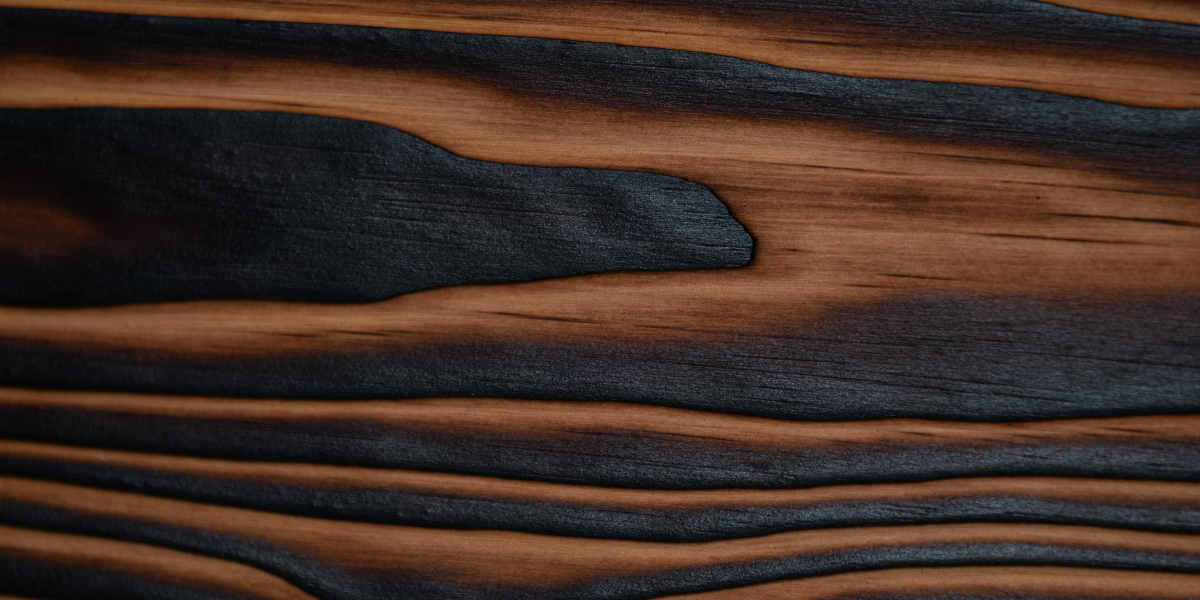
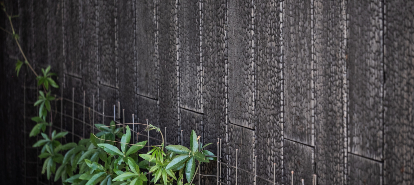
The Japanese technique Shou Sugi Ban offers an alternative to conventional wood treatments. By carefully charring the surface of the wood, a protective layer is created that shields the underlying material.
This layer:
- slows down weathering caused by environmental exposure
- makes the wood less susceptible to fungi and insects
- provides a more stable surface over time
In addition, charred wood has a fire-retardant effect, as the most flammable fibers have already been altered.
Charred façade cladding in practice
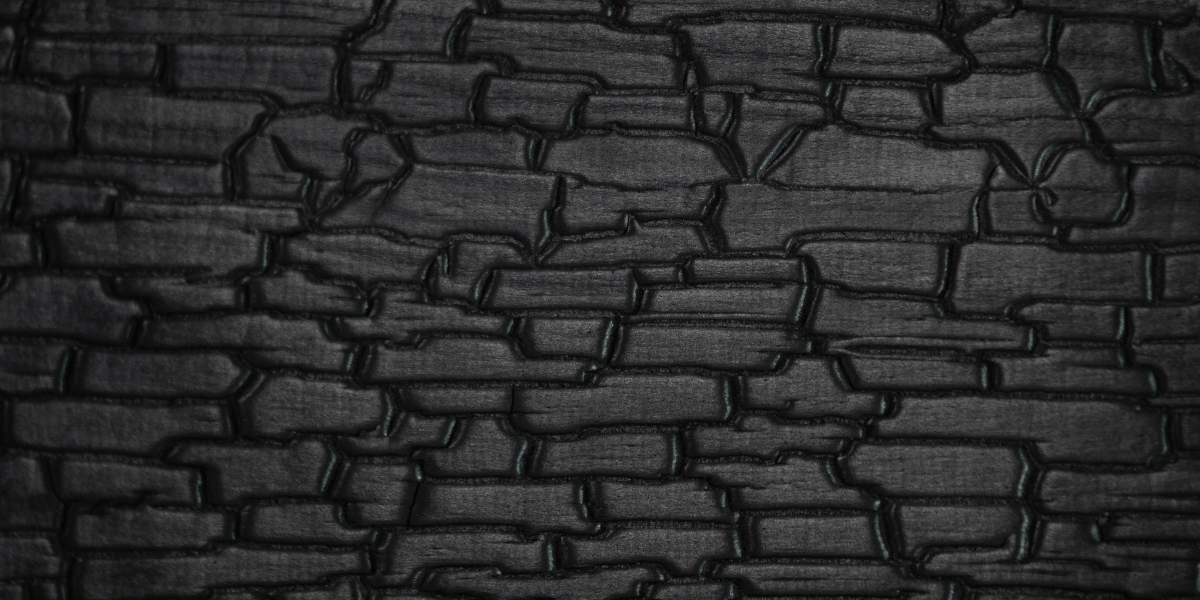
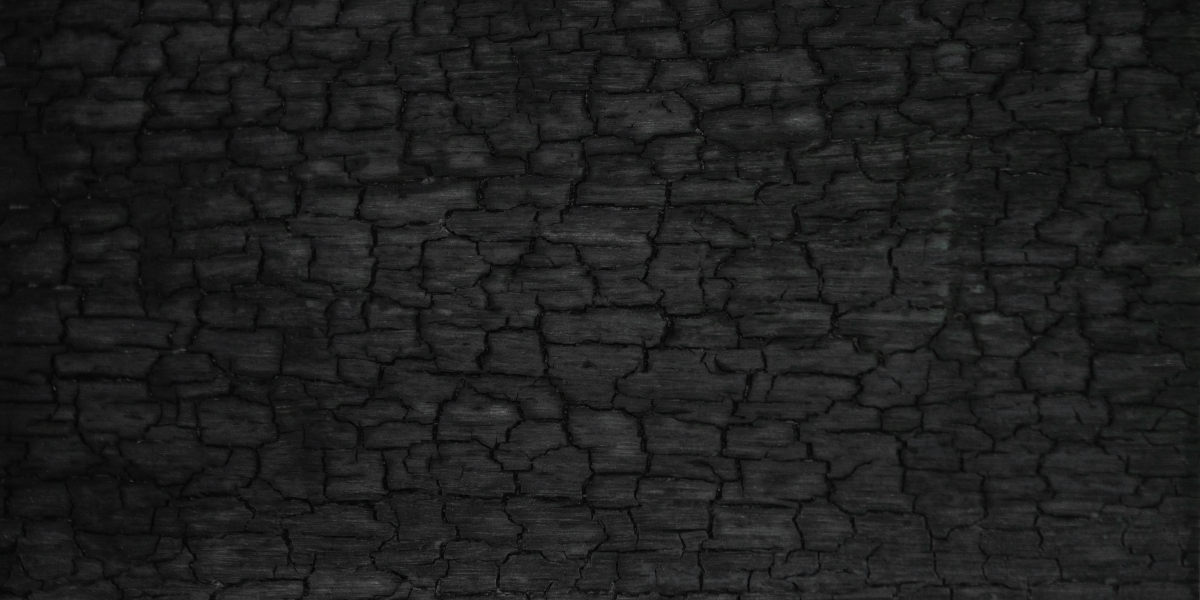
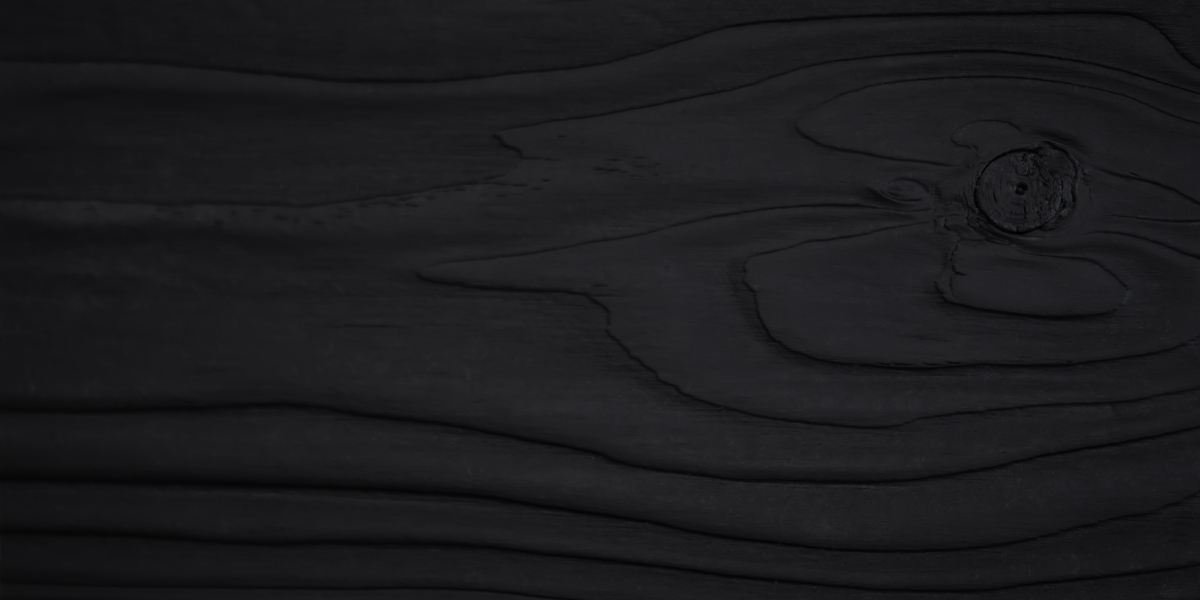
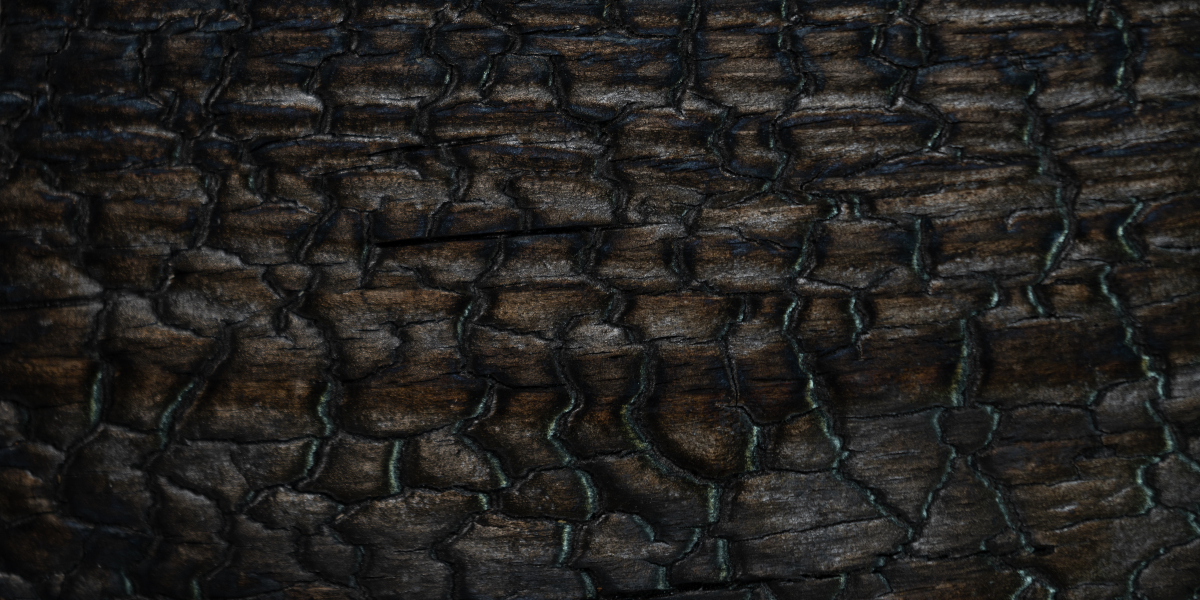
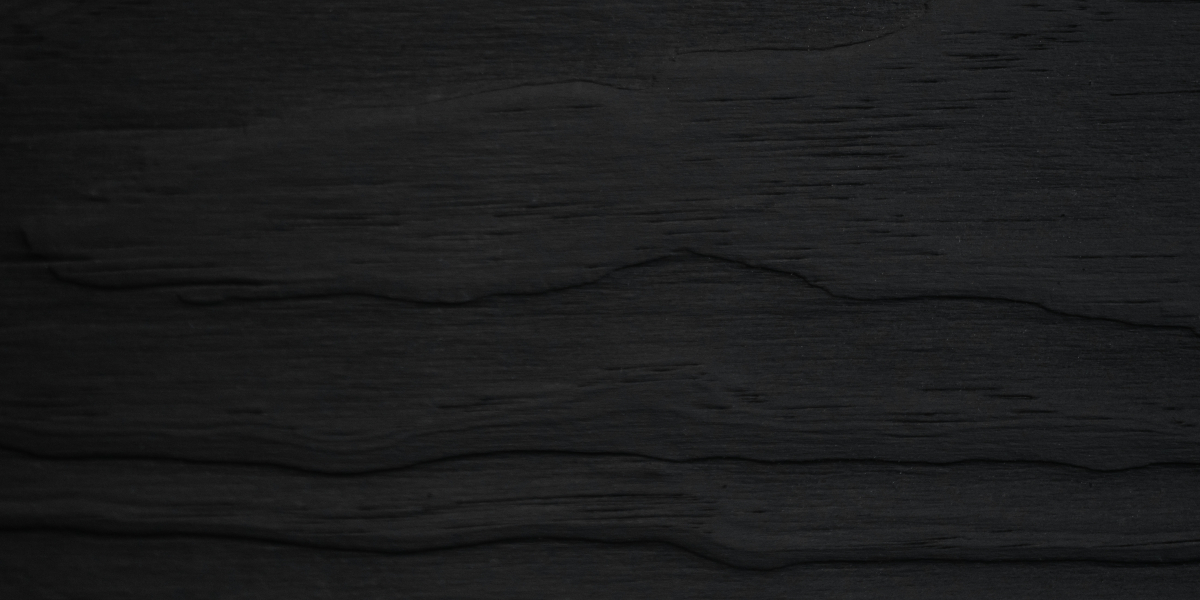
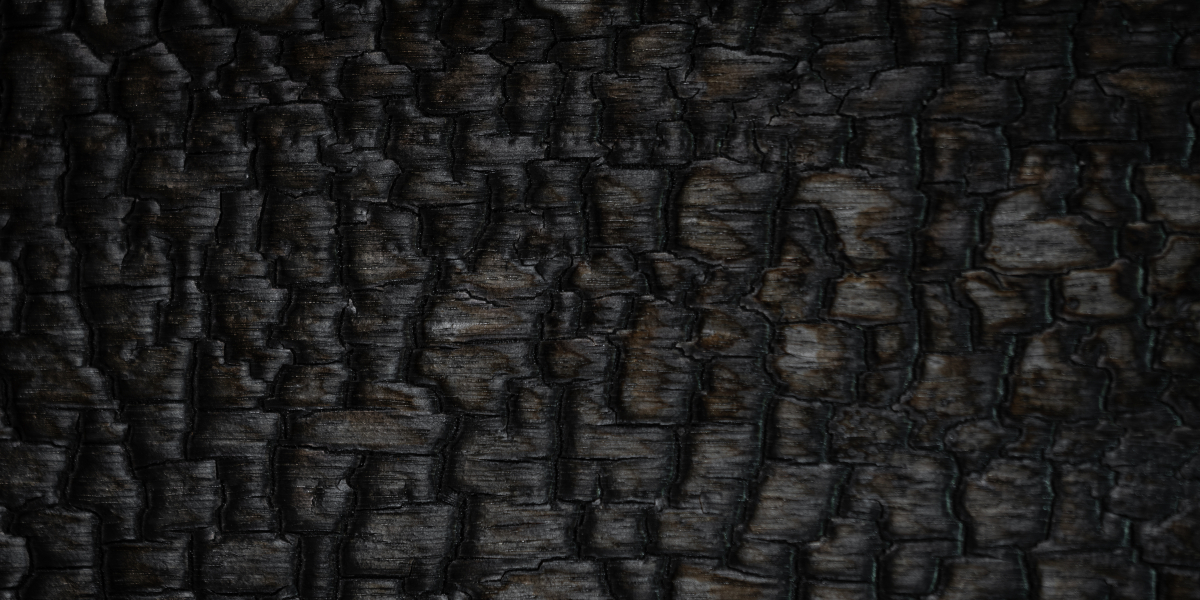
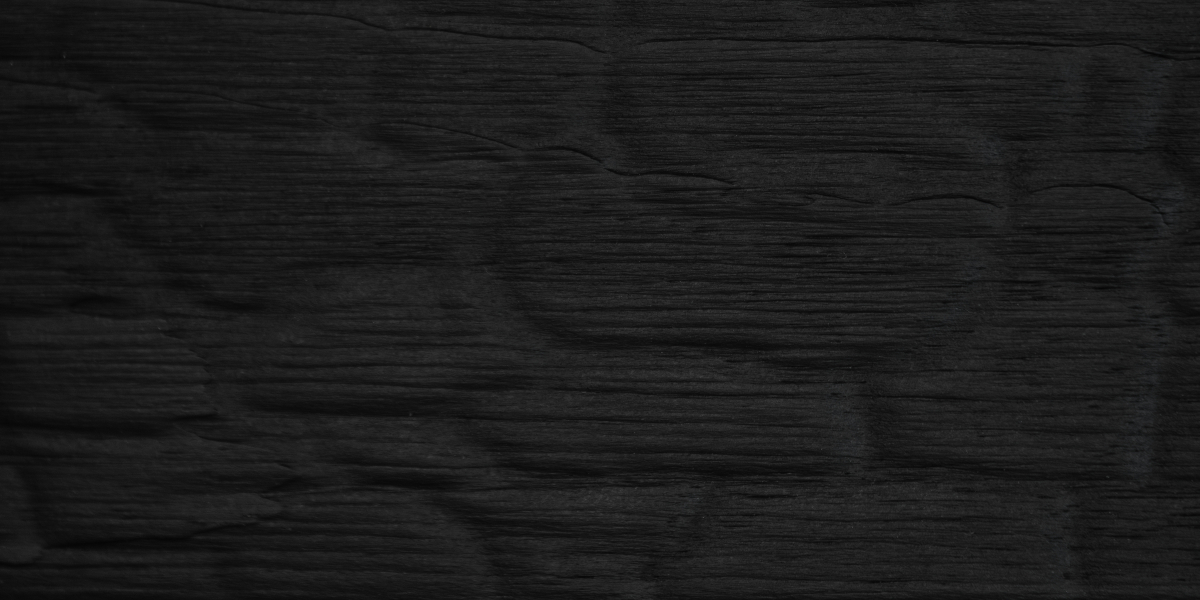
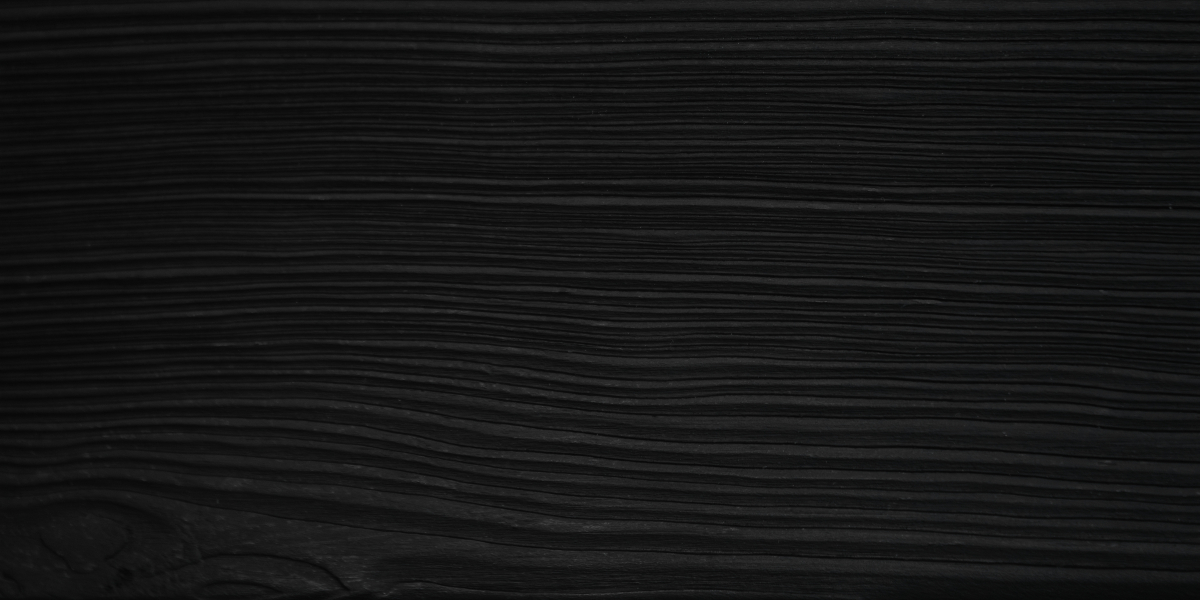
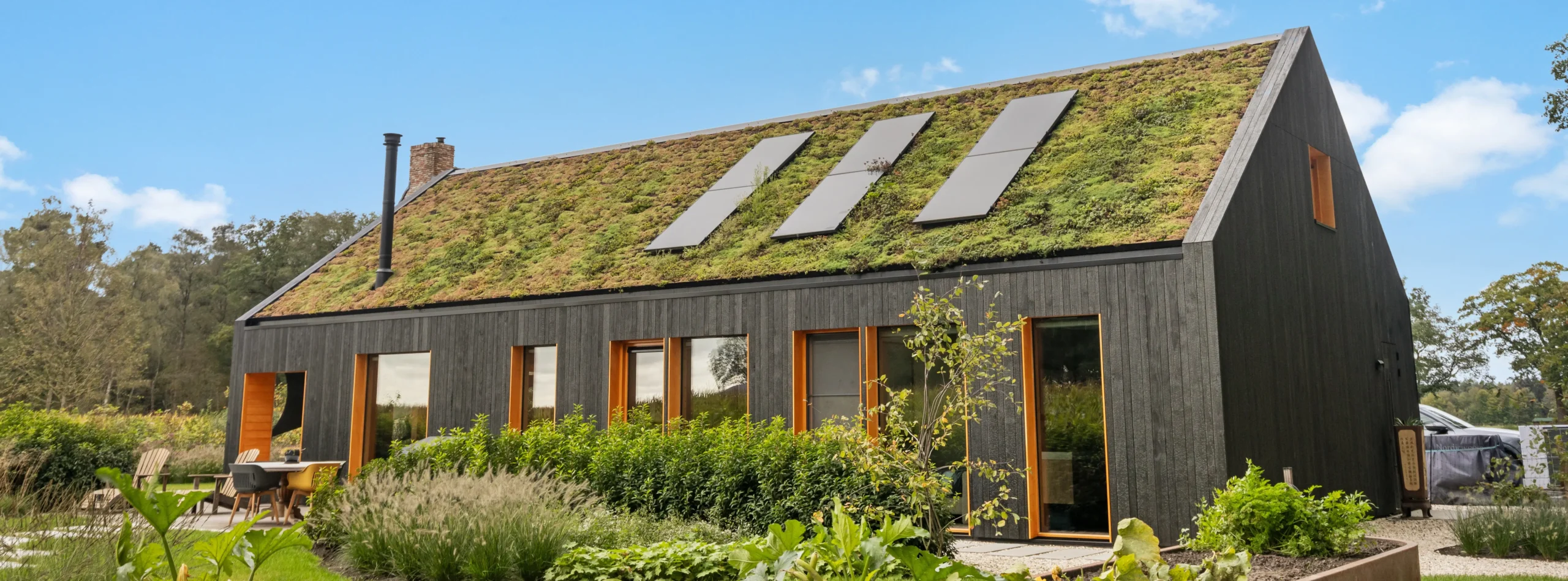
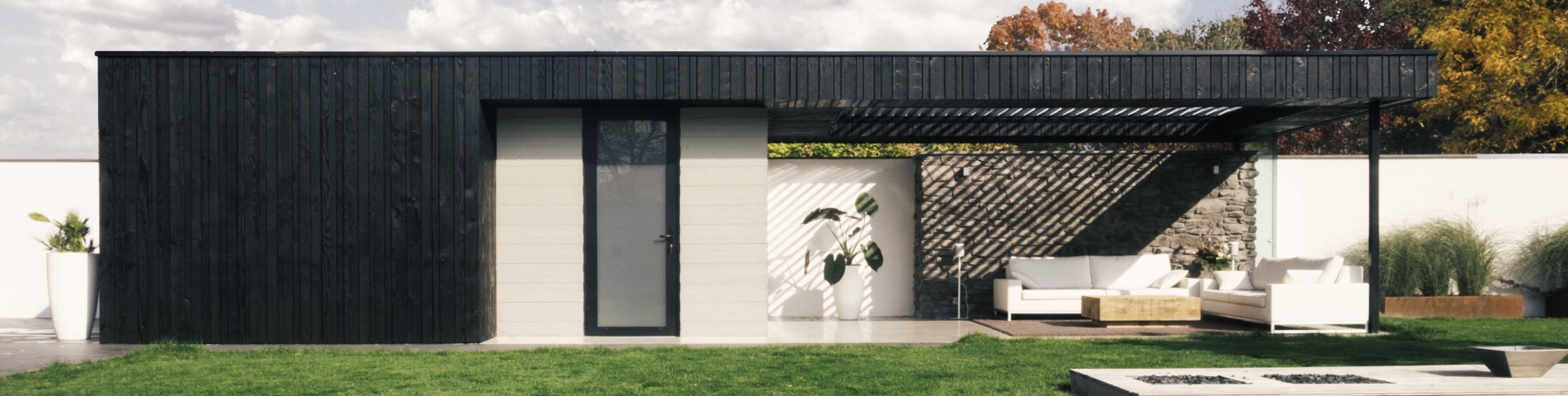
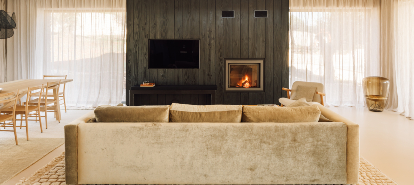
Charred façade cladding is used in both new construction and renovation projects. The material is characterized by a dark, often black appearance with a natural texture.
Compared to untreated or painted wood, a charred façade requires significantly less maintenance. Periodic painting is often unnecessary, which positively affects the total lifecycle costs of a building.
Origin and processing of the wood
At Zwarthout | Shou Sugi Ban, wood is sourced from certified, sustainably managed forests (FSC and/or PEFC). The focus is on wood species suitable for long-term outdoor applications.
The charring process takes place under controlled conditions, resulting in a uniform charred layer. During this process, released wood gases are reused, keeping energy consumption low. No chemical additives are used.
Sustainability in relation to lifespan
A key aspect of sustainable façade cladding is the lifespan of the material. The longer a façade lasts without intensive maintenance or replacement, the lower its environmental impact over the entire lifecycle.
Charred wooden façades generally retain their appearance and performance over a long period. This makes them particularly suitable for projects focused on sustainability, such as circular construction or certification processes.
Combined with the CO₂ storage capacity of wood, this means that a sustainable wooden façade not only prevents emissions but also actively contributes to the temporary storage of carbon in the built environment.
Application in design
For architects, charred façade cladding offers flexibility in detailing and expression. Various profiles, wood types, and finishes are available, allowing the material to be used in both subtle and expressive designs.
The façade plays a key role in the identity of a building. Materials that maintain their character over time contribute to the consistency of the design.
Conclusion
Charred façade cladding using the Shou Sugi Ban technique represents a sustainable application of wood in which protection, aesthetics, and longevity come together.
By combining a natural, CO₂-storing material with a treatment that reduces maintenance and extends lifespan, a façade material is created that aligns with contemporary architectural and sustainability ambitions.
For project-specific questions or material selection, it may be useful to review samples and discuss the application in detail. Request a sample box here.